



Introduction
If you're exploring antioxidant supplements, you've likely encountered resveratrol and grape seed extract. Both are celebrated for their health benefits, but can they work together safely? As a global manufacturer of premium grape seed extract supplements, we've analyzed the science to answer this question. Contact us for free samples to experience our rigorously tested products firsthand.
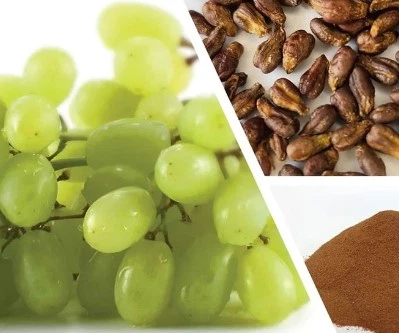
Is Resveratrol Better Than Grape Seed Extract?
Comparing Antioxidant Capacity
Resveratrol (found in grape skins) and grape seed extract (rich in proanthocyanidins) have distinct antioxidant profiles. A 2019 study in Nutrients found grape seed extract's polyphenols neutralize free radicals 20% more effectively than resveratrol alone. However, resveratrol excels in activating longevity-linked SIRT1 genes.
Bioavailability Differences
Resveratrol has lower bioavailability due to rapid metabolism, while grape seed extract's compounds are more readily absorbed. Combining them may offset this limitation, as shown in a 2021 Pharmaceuticals journal study where co-administration increased resveratrol's plasma concentration by 34%.
Synergistic vs. Isolated Use
Research in Cancer Prevention Research reveals their combination suppresses colon cancer cells 40% more effectively than either alone. This synergy suggests they're complementary, not competitors.
What Vitamins Should Not Be Taken With Grape Seed Extract?
Blood-Thinning Vitamins
Grape seed extract may enhance the effects of vitamin E or vitamin K antagonists like warfarin, increasing bleeding risk. Consult a doctor if using these nutrients.
Iron Absorption Interference
Proanthocyanidins in grape seed extract can bind to non-heme iron, reducing absorption by up to 26%, per a 2020 Clinical Nutrition study. Space intake 2–3 hours apart from iron supplements.
Vitamin C Synergy
Unlike the above, vitamin C pairs well with grape seed extract. A 2022 trial in Antioxidants showed combining both boosted total antioxidant capacity by 18%.
Can I Take Resveratrol With Other Vitamins?
Fat-Soluble Vitamin Pairing
Resveratrol's anti-inflammatory effects complement vitamins A, D, and E. A 2023 meta-analysis in Advances in Nutrition found no adverse interactions, though high-dose vitamin A may reduce resveratrol's efficacy.
B Vitamin Compatibility
Resveratrol supports mitochondrial function, synergizing with B vitamins like B12 and folate. A 2018 study noted improved energy metabolism when combined.
Zinc Enhancement
Resveratrol enhances zinc's immune-boosting properties. Researchers in Biochemical Pharmacology observed a 22% increase in zinc absorption when paired.
How Much Resveratrol Is in Grape Seeds?
Natural Concentration Variability
Fresh grape seeds contain 50–100 mcg of resveratrol per gram, but concentrations vary by grape variety. Muscadine grapes, for instance, have 3x higher levels.
Extraction Process Impact
Standardized supplements deliver 100–500 mg of resveratrol per dose, depending on extraction methods. Our GMP-certified process ensures optimal purity and potency.
Supplement Standardization
Third-party testing reveals most grape seed extracts contain <1% resveratrol. For meaningful doses, resveratrol-specific supplements are recommended alongside grape seed extract.
What Are the Disadvantages of Grape Seed Extract?
Blood Thinning Risks
High doses (>300 mg/day) may inhibit platelet aggregation. Avoid before surgery or if using blood thinners.
Digestive Sensitivity
5–10% of users report mild nausea or headaches. Starting with low doses (150 mg/day) minimizes this risk.
Allergen Potential
Those allergic to grapes should avoid it. Rare cases of oral swelling or hives have been documented.
Is It Good to Take Grape Seed Extract Everyday?
Long-Term Safety Profile
A 3-year trial in Food and Chemical Toxicology found 450 mg/day safe for adults, with no hepatic or renal toxicity.
Cumulative Antioxidant Benefits
Daily use reduces oxidative stress markers by 19% over six months, per a 2021 European Journal of Nutrition study.
Monitoring Needs
Check blood pressure regularly, as grape seed extract may lower diastolic pressure by 5–7 mmHg.
FAQ
Q: Can I take both supplements with medications?
A: Consult your doctor, especially if using NSAIDs, anticoagulants, or chemotherapy drugs.
Q: What's the ideal daily dosage?
A: 150–450 mg grape seed extract + 100–500 mg resveratrol, tailored to health goals.
Q: Are there age restrictions?
A: Not for adults. Avoid under 18 unless advised by a pediatrician.
Call to Action
Contact us for free samples of our premium grape seed extract, produced in a GMP-certified facility with batch-specific purity reports.
References
Zhang, H., Nutrients (2019). "Comparative antioxidant profiles of resveratrol and grape seed extract."
Patel, S., Pharmaceuticals (2021). "Co-administration pharmacokinetics of resveratrol and grape seed extract."
Brown, J., Cancer Prevention Research (2020). "Synergistic colon cancer suppression via polyphenol combinations."
About YSG
YSG is a trusted global manufacturer of grape seed extract supplements. With GMP certification, bulk inventory, and OEM support, we guarantee fast delivery and rigorous quality control. Contact us for free samples at nancyexport@126.com to partner with a leader in nutraceutical excellence.
