



Coenzyme Q10 (CoQ10), a naturally occurring antioxidant produced by the body, has gained significant attention for its potential health benefits, including its role in cardiovascular health. One of the most frequently asked questions about CoQ10 is whether it can help lower cholesterol levels. In this article, we'll dive into the science behind CoQ10's impact on cholesterol, its potential benefits, and what you should know before taking it. If you're interested in exploring CoQ10 supplements, contact us for free samples.
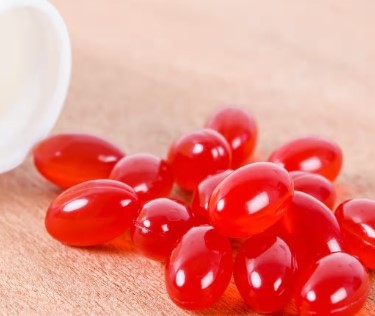
How Much CoQ10 Should You Take to Lower Cholesterol?
The right dosage of CoQ10 for lowering cholesterol can vary depending on the individual and the severity of their condition. Research suggests that dosages between 100 mg to 200 mg per day are commonly used to lower cholesterol levels. Some studies have indicated that higher doses might be necessary for certain conditions, especially for those dealing with heart disease or those who are taking statin medications.
For example, a study involving patients with coronary artery disease (CAD) found that taking 100 mg of CoQ10 daily helped lower total cholesterol and increase HDL (good) cholesterol. However, before starting CoQ10 supplementation, it's crucial to consult with a healthcare professional to determine the appropriate dosage for your needs.
What is the Most Effective Supplement to Lower Cholesterol?
While CoQ10 shows promise in helping to lower cholesterol, it's essential to consider other supplements that might be more effective, depending on the individual's needs. Some of the most popular supplements for cholesterol management include:
Omega-3 fatty acids: Found in fish oil, omega-3s are well-known for their ability to reduce LDL (bad) cholesterol and triglycerides while raising HDL cholesterol.
Plant sterols: These plant-derived compounds can help block the absorption of cholesterol from food, leading to lower cholesterol levels.
Niacin (Vitamin B3): Niacin is often used to raise HDL cholesterol and lower LDL cholesterol and triglycerides.
Although CoQ10 plays a role in heart health, it should not be relied upon as the sole method for managing cholesterol. A combination of lifestyle changes, such as a heart-healthy diet, regular exercise, and the right supplements, can be more effective in lowering cholesterol levels.
What Supplements Should Not Be Taken with CoQ10?
CoQ10 is generally considered safe when taken with other supplements, but there are a few combinations to be cautious about. Vitamin K and blood-thinning medications like warfarin might interact with CoQ10. CoQ10 has a similar structure to Vitamin K, which plays a role in blood clotting, so taking these together could interfere with the blood-thinning effect of certain medications.
If you are on medications for cholesterol or any blood thinners, it's essential to speak with your doctor before starting CoQ10 supplementation. Additionally, statin medications may interact with CoQ10, as statins can deplete CoQ10 levels in the body, making supplementation even more beneficial in these cases.
Can CoQ10 Lower Cholesterol Without Statins?
While statins are commonly prescribed to lower cholesterol, some people may prefer to manage their cholesterol without medication or may experience side effects from statins. CoQ10 is often recommended as a complementary treatment to statins to help reduce the muscle pain and weakness that can sometimes result from these medications.
However, CoQ10 alone may not have the same powerful cholesterol-lowering effect as statins. That said, some studies suggest that CoQ10 supplementation can lower LDL cholesterol and increase HDL cholesterol in individuals with elevated cholesterol levels, offering an alternative for those who want to reduce cholesterol without prescription medications.
What Happens When You Take CoQ10 Every Day?
Daily CoQ10 supplementation offers a variety of health benefits, particularly for heart health. Research has shown that regular CoQ10 supplementation may:
Lower LDL cholesterol: By improving antioxidant activity, CoQ10 helps reduce the oxidation of LDL cholesterol, which is a critical factor in the development of heart disease.
Increase HDL cholesterol: CoQ10 can also raise HDL (good) cholesterol levels, which helps clear excess cholesterol from the bloodstream.
Improve heart function: CoQ10 may enhance overall cardiovascular function, particularly in individuals with heart disease or those taking statins.
Boost energy levels: As a vital component in energy production within cells, CoQ10 helps combat fatigue and muscle weakness, especially in people taking statins.
While the benefits of CoQ10 are promising, taking it daily should be done under the guidance of a healthcare professional, especially if you're also on other medications for cholesterol or heart disease.
Which is Better for the Heart, CoQ10 or Fish Oil?
Both CoQ10 and fish oil are beneficial for heart health but in different ways. CoQ10 is known for its role in energy production and antioxidant activity, which helps protect the heart and reduce cholesterol oxidation. Fish oil, on the other hand, is rich in omega-3 fatty acids, which have been shown to lower LDL cholesterol, reduce inflammation, and lower triglycerides.
If you're looking to manage your cholesterol and improve heart health, a combination of CoQ10 and fish oil might provide the best results. However, for personalized advice, it's crucial to consult with your doctor.
Should I Take CoQ10 in the Morning or at Night?
There is no significant evidence to suggest that taking CoQ10 at a specific time of day will influence its effectiveness. However, since CoQ10 can increase energy production in the body, it's often recommended to take it in the morning or early afternoon to avoid interfering with sleep.
Taking CoQ10 with a meal containing fat can also enhance its absorption, as it is a fat-soluble compound.
Does Omega-3 Lower Cholesterol?
Yes, omega-3 fatty acids, which are commonly found in fish oil, are well-known for their ability to lower triglycerides and LDL cholesterol. Omega-3 supplements can also raise HDL cholesterol and provide additional heart health benefits, including reducing inflammation and improving arterial health.
Omega-3s are often recommended alongside CoQ10 for overall cardiovascular health, as they work together to improve cholesterol profiles and heart function.
FAQ
1. How quickly does CoQ10 lower cholesterol?
CoQ10 may take several weeks to show noticeable effects on cholesterol levels. Most studies indicate that improvements in cholesterol can be seen after 4 to 12 weeks of daily supplementation.
2. Can I take CoQ10 with statins?
Yes, CoQ10 can be taken alongside statins to help reduce muscle pain and weakness caused by statin use. In fact, statins can deplete the body's natural CoQ10 levels, and supplementation may help replenish it.
3. Are there any side effects of taking CoQ10?
CoQ10 is generally considered safe. However, some individuals may experience mild side effects such as stomach upset, dizziness, or headaches. If these symptoms persist, consult with your healthcare provider.
4. Is CoQ10 better than other supplements for lowering cholesterol?
While CoQ10 has cholesterol-lowering properties, other supplements like omega-3 fatty acids, plant sterols, and niacin are also effective in managing cholesterol. The best approach is to combine these supplements with a heart-healthy diet and lifestyle.
References:
Zeng, C., et al. (2017). The Effect of Coenzyme Q10 on Blood Lipids: A Meta-analysis. Journal of Clinical Lipidology.
Liao, J. K., et al. (2018). Coenzyme Q10 in Cardiovascular Disease: A Review. Journal of Clinical Pharmacology.
Manganelli, M. A., et al. (2019). CoQ10 Supplementation in Hypercholesterolemia. American Journal of Cardiovascular Drugs.
If you are interested in CoQ10 supplementation to help lower your cholesterol, contact us for free samples and learn more about how our high-quality CoQ10 powder can help you achieve better heart health.
