



Olive oil, derived from the fruit of the olive tree, has been a staple in Mediterranean cuisine for thousands of years. Renowned for its rich flavor, health benefits, and versatility, this liquid gold has a storied history and a fascinating extraction process. In this article, we'll delve into the basics of olive oil extraction, its importance in Mediterranean culture, and the step-by-step process of turning olives into oil.
Part 1: The Basics of Olive Oil Extraction
What is olive oil extraction?
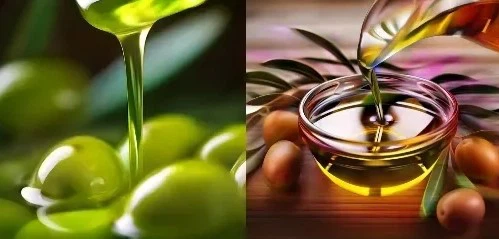
Olive oil extraction refers to the process of separating the oil from the olives, using various methods that range from ancient traditions to modern technology. This separation typically involves crushing the olives to release the oil, followed by a series of mechanical or chemical processes to isolate the oil from the remaining solids and water.
The history of olive oil extraction
Olive oil production dates back to the Neolithic era, around 6,000 years ago, in the Eastern Mediterranean region. Ancient civilizations, such as the Egyptians, Phoenicians, Greeks, and Romans, recognized the value of olive oil for culinary, medicinal, and religious purposes. Early extraction methods involved simple techniques like hand crushing, followed by pressing using stone presses. The development of more advanced techniques, such as malaxation and centrifugation, has shaped the industry over the centuries.

The different types of olive oil
There are various grades of olive oil, classified based on factors like extraction method, chemical properties, and flavor characteristics. The main categories include:
Extra Virgin Olive Oil (EVOO): The highest quality, made from cold-pressed olives with minimal processing. It has a fruity aroma, robust flavor, and a low acidity level.
Virgin Olive Oil: Produced using similar methods to EVOO but with slightly higher acidity.
Refined Olive Oil: Blended with chemical solvents to remove impurities and achieve a neutral flavor and low acidity for a more stable product.
Olive Pomace Oil: Extracted from the leftover olive paste using solvents, often blended with refined olive oil for a lower-grade product.
The importance of olive oil in Mediterranean cuisine
Olive oil is a cornerstone of the Mediterranean diet, known for its heart-healthy benefits. It adds flavor, richness, and aroma to a wide range of dishes, from salads and pasta to grilled meats and vegetables. Mediterranean cuisines, such as Greek, Italian, Spanish, and Turkish, feature olive oil in many traditional recipes, showcasing its culinary versatility.

The benefits of olive oil for health and beauty
Olive oil is rich in monounsaturated fats, antioxidants, and anti-inflammatory compounds, making it a healthful addition to a balanced diet. Some potential benefits include:
Heart health: The monounsaturated fats in olive oil may help lower cholesterol levels and reduce the risk of heart disease.
Anti-inflammatory effects: Oleocanthal, a compound in EVOO, has properties similar to nonsteroidal anti-inflammatory drugs (NSAIDs).
Improved insulin sensitivity: May help regulate blood sugar levels, benefiting those with diabetes.
Anti-aging properties: Oleic acid and antioxidants in olive oil can support skin health and reduce signs of aging.
Part 2: The Process of Extracting Oil from Olives
Harvesting and preparing olives for extraction
Olives are typically harvested by hand or using mechanical shakers to avoid damaging the fruit. They are then stored in a cool, ventilated area until ready for processing. To ensure the best quality oil, olives should be processed within 24 hours of harvesting.
**Cleaning and crushing the olives**
Before extracting the oil, the olives are cleaned to remove any debris, leaves, and dirt. Next, they are crushed to break the olive cell walls and release the oil. This process can be done using traditional stone mills, continuous hammer mills, or even fluidized bed mills, depending on the scale of production and desired quality.
Malaxation: the process of mixing and heating the olive paste
Malaxation involves blending the crushed olives into a paste, often with a small amount of water. This mixture is then heated to a specific temperature, typically between 20°C and 27°C, to help release more oil and facilitate the separation process. The paste is agitated for several hours, allowing the oil droplets to combine and rise to the surface.
Separation of the oil from the solids and water
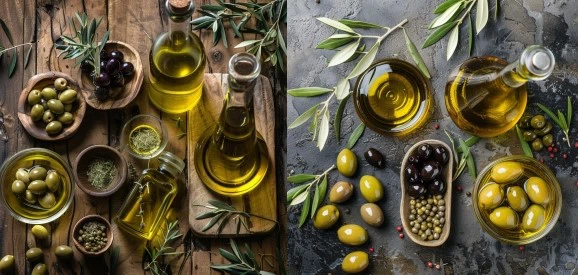
Once the malaxation process is complete, the olive paste is ready for separation. In traditional methods, this was done using a screw press, while modern facilities often employ continuous or progressive centrifuges. These devices spin the paste at high speeds, separating the oil from the water and solids, which include the pits, skins, and some pulp.
After the primary separation, the oil may undergo additional treatments, such as decanting or chemical clarification, to remove any remaining water and impurities. The oil is then filtered to enhance clarity and purity.
Storage and packaging of the olive oil After separation and filtration, the olive oil is stored in stainless steel tanks to prevent oxidation and maintain its quality. Tanks are often kept at a cool temperature, and nitrogen may be added to further protect the oil from air exposure. Once the oil meets the desired quality standards, it is transferred to bottles or tins for distribution, with the packaging protecting the oil from light and maintaining its freshness.
FAQs
What is the difference between extra virgin olive oil and regular olive oil?
Extra virgin olive oil (EVOO) is the highest quality oil, made from cold-pressed olives with minimal processing. It has a stronger flavor, lower acidity, and higher levels of antioxidants. Regular olive oil, often referred to as "light" or "pure" olive oil, is a blend of refined and virgin oils, resulting in a neutral taste and a higher smoke point.
How long does olive oil last?
The shelf life of olive oil depends on factors like storage conditions, quality, and type. Properly stored EVOO can last up to 2 years, while refined oils may last up to 3 years. Look for a "best by" date on the bottle and store in a cool, dark place away from heat and light.
Can I reuse olive oil after frying?
It is possible to reuse olive oil for frying, but its quality and flavor may degrade with each use. The oil should be strained to remove food particles and cooled before reuse. However, it's essential to monitor the oil's odor and color for signs of degradation, as overheating or prolonged use can lead to harmful compounds.
How many olives does it take to make a liter of olive oil?
The amount of olives needed to produce a liter of olive oil depends on the oil yield of the specific variety. On average, it takes around 7-12 kilograms of olives to make a liter of extra virgin olive oil.
What are the health benefits of olive oil?
Olive oil is rich in monounsaturated fats, antioxidants, and anti-inflammatory compounds, offering potential benefits such as improved heart health, anti-inflammatory effects, better insulin sensitivity, and anti-aging properties.
References:
Trumbo, P., & Duyff, R. (2016). American Dietetic Association Complete Food and Nutrition Guide. Houghton Mifflin Harcourt.
1.Nestel, P. J. (2014). Mediterranean diet and cardiovascular disease. The American Journal of Clinical Nutrition, 100(5), 1175-1184.
2.Estruch, R., Ros, E., Salas-Salvadó, J., Biosca, G., Gómez-Gracia, E., Amigó, V., ... & Corella, D. (2013). Primary prevention of cardiovascular disease with a Mediterranean diet. The New England Journal of Medicine, 368(14), 1259-1270.
3.Papanikolaou, Y., & Trichopoulou, A. (2008). Olive oil and cancer: a review of the epidemiological evidence. Critical reviews in food science and nutrition, 48(8), 625-648.
4.Estruch, R., Ros, E., Salas-Salvadó, J., Corella, D., Fiol, M., Gómez-Gracia, E., ... & Serra-Majem, L. (2008). Effects of a Mediterranean diet on cardiovascular risk factors: a randomized trial. Annals of Internal Medicine, 147(7), 477-485.
5.Dini, L., & Giosuè, S. (2011). Olive oil polyphenols and cardiovascular disease. Crit Rev Food Sci Nutr, 51(1), 1-13.
