



Astaxanthin is prescribed within the measurement run of 6 to 8 mg every day. It is moo sufficient in improved salmon oil or krill oil supplement which will contain satisfactory levels. It is prescribed that you just ought to take 8 mg of the medicate per day, which is break even with to 1.6 kg of new salmon.
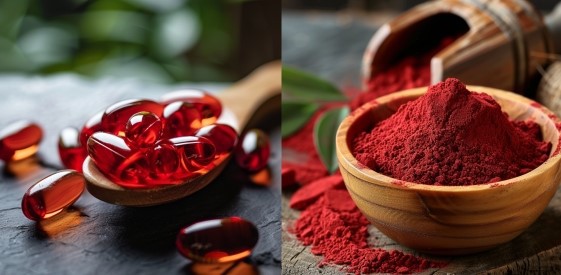
What is Astaxanthin?
Astaxanthin is a reddish pigment that belongs to the xanthophyll family of carotenoids. It is a powerful biological antioxidant found naturally in certain microalgae, yeast, and seafood like salmon, trout, shrimp, and crab.
Whereas astaxanthin can be inferred from normal sources, the tremendous larger part of commercial astaxanthin supplements are delivered artificially from petrochemical sources.
The synthetic form is more affordable and provides higher concentrations.
As an antioxidant, astaxanthin is incredibly potent - it has been shown to be up to 6000 times stronger than vitamin C at neutralizing free radicals and reducing oxidative stress. Its unique molecular structure allows astaxanthin to span the cell membrane, providing antioxidant protection from the inside out.
Beyond its outstanding antioxidant capabilities, astaxanthin also exhibits anti-inflammatory, anti-aging, and potential anti-cancer effects. Its ability to cross the blood-brain and blood-retinal barriers makes it especially beneficial for eye and neurological health.
Recommended Daily Dosage
Most research suggests the optimal daily dosage range for astaxanthin supplements is between 4-12mg per day. At these measurements, astaxanthin is considered secure and well-tolerated for most sound grown-ups.
In any case, the perfect measurement can change based on person variables like:
· Age - Higher measurements may be required for more seasoned grown-ups
· Weight - Those with higher body weight may require bigger measurements
· Wellbeing status - Lower measurements for common antioxidant back; higher for particular conditions
· Particular utilize - Higher measurements for employments like anti-aging, work out recuperation, etc.
It's crucial to follow dosage instructions on supplement labels and from healthcare providers. Taking excessive amounts beyond the recommended range increases the potential for adverse effects.
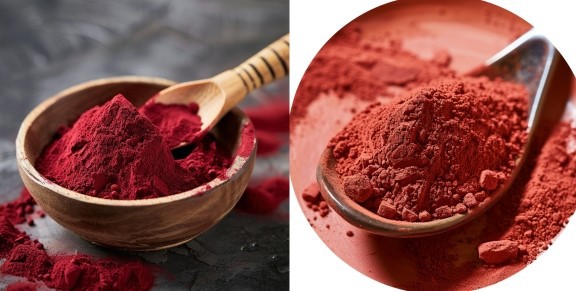
Benefits of Astaxanthin
Reduces Oxidative Stress and Inflammation
Thanks to its potent free radical scavenging ability, astaxanthin helps reduce oxidative stress throughout the body.
This can prevent or minimize cellular damage and lower the risk of inflammation-related diseases.
One study showed astaxanthin decreased oxidative stress biomarkers by up to 40% in smokers and overweight individuals after 8 weeks. Another found it significantly reduced inflammatory markers like C-reactive protein in obese adults.
Supports Eye and Brain Health
One of astaxanthin's unique advantages is its ability to cross the blood-brain and blood-retinal barriers. This allows it to deliver antioxidant and anti-inflammatory benefits directly to the eyes, brain, and nervous system.
Multiple studies suggest astaxanthin may help prevent or slow the progression of age-related macular degeneration and other eye diseases by protecting retinal cells from oxidative damage.
Astaxanthin's neuroprotective effects may also benefit brain health by reducing oxidative stress and inflammation linked to cognitive decline and neurodegenerative diseases like Alzheimer's.
Skin Protection and Anti-Aging Effects
Oxidative stress and inflammation are major contributors to extrinsic skin aging from factors like UV exposure and pollution. Astaxanthin's potent antioxidant activity helps combat this damage from the inside out.
Studies show astaxanthin can improve multiple measures of skin health including:
Moisture levels and elasticity
Appearance of fine lines, wrinkles, and age spots
Protection against UV-induced skin damage and redness
One study found daily astaxanthin supplementation significantly improved crow's feet wrinkles after 4 weeks.
Boosts Endurance and Exercise Recovery
For athletes and active individuals, astaxanthin may help increase endurance, strength, and recovery from exercise. Its effects are largely attributed to reducing exercise-induced oxidative stress and muscle damage.
Research indicates astaxanthin can:
Improve cycling time trial performance
Enhance strength and muscle recovery after eccentric exercise
Reduce lactic acid buildup during intense exercise
Doses of 4-12mg per day have been shown to provide ergogenic benefits in various studies.
Potential Anti-Cancer Properties
Astaxanthin's antioxidant, anti-inflammatory, and anti-proliferative properties may also give it potential as a cancer preventative or adjunct treatment.
Preliminary research suggests astaxanthin may help inhibit the growth, invasion, and spread of various cancer cells including breast, prostate, colon, and oral cancers.
While promising, more clinical research is still needed to determine optimal therapeutic doses and verify anti-cancer efficacy in humans.

Astaxanthin Dosage For Specific Uses
Eye Health: 6-12mg per day
Anti-Aging: 4-8mg per day
Exercise Performance: 4-8mg per day
General Antioxidant Support: 2-4mg per day
Maximizing Astaxanthin Absorption
Taking with Fats/Oils
Like other carotenoids, astaxanthin is a fat-soluble compound. This means it requires being consumed with dietary fats or oils in order to be properly absorbed and utilized by the body.
Research shows taking astaxanthin along with a fat or oil source significantly increases its bioavailability compared to taking it on an empty stomach.
Good fat sources to consume with astaxanthin include:
Fatty fish like salmon
Nuts and seeds
Olive oil or avocado oil
Full-fat dairy products
One study found taking 12mg of astaxanthin with a lipid-based drink increased bioavailability by over 400% compared to a control drink.
Choosing Quality Supplements
Not all astaxanthin supplements are created equal in terms of quality and potency. To maximize absorption and benefits, it's important to choose a high-quality product from a reputable brand.
Look for supplements that use superior ingredients like:
Natural, algae-derived astaxanthin instead of synthetic sources
Added lipids/oils to enhance absorption
Third-party testing for potency and purity
Top brands often considered high-quality include Jarrow Formulas, BioAstin, Sports Research, and Nutrex Hawaii.
Stacking with Other Antioxidants
Astaxanthin may provide additional benefits when "stacked" or combined with other antioxidants and nutrients. Some research indicates taking astaxanthin along with vitamins C, E, zinc, and other carotenoids may have synergistic effects.
One study found combining astaxanthin with tocotrienols (a form of vitamin E) significantly boosted free radical scavenging capabilities compared to either antioxidant alone.
Other potentially beneficial "stacks" include:
Astaxanthin + lutein + zeaxanthin for eye health
Astaxanthin + CoQ10 + omega-3s for heart health
Astaxanthin + collagen peptides for skin aging
Safety and Side Effects
Generally Recognized As Safe
At recommended doses up to 12mg per day, astaxanthin is considered a safe and well-tolerated supplement for most healthy adults.
No serious side effects have been reported in clinical trials at these standard supplemental intakes. Mild and infrequent side effects may include:
Headache
Facial flushing
Digestive issues like nausea or diarrhea
However, there are a few potential precautions and interactions to be aware of:
Medication Interactions
Astaxanthin may interact with certain medications by decreasing their absorption or increasing side effects. These may include:
Blood thinners like warfarin
Cholesterol medications like statins
Diabetes medications
Anti-seizure drugs
Speak to your doctor before taking astaxanthin if you take any prescription medications.
Pregnancy and Breastfeeding
The safety of astaxanthin supplements has not been well established for pregnant or breastfeeding women. It's best to avoid high doses unless specifically approved by a doctor.
Seafood/Shellfish Allergies
Those allergic to seafood or shellfish should be cautious with natural, algae-sourced astaxanthin products as they may trigger an allergic reaction.
High Dosages
While astaxanthin is generally safe within the 4-12mg range, exceeding the recommended dosages significantly increases the risk of side effects. High doses over 12mg per day may potentially lead to:
Low blood sugar
Increased bleeding risk
Muscle burnout
Gastrointestinal distress
As with any supplement, it's important not to megadose without medical supervision.

Buying and Storing Astaxanthin
What to Look For When purchasing an astaxanthin supplement, there are several key factors to consider for quality and efficacy:
Source:
Natural (microalgae-derived) sources are preferable to synthetic versions
Look for brands using Haematococcus pluvialis algae, the richest natural source
Potency:
Aim for supplements providing 4-12mg of astaxanthin per serving
Higher potencies like 12mg are better for specific uses like anti-aging
Absorption Enhancers:
Products containing added oils, fats, or lipids will enhance absorption
Examples are olive oil, fish oil, lecithin, etc.
Third-Party Testing:
Opt for brands that use third-party labs to verify potency and purity
This ensures you're getting what's listed on the label
Proper Storage
Like many antioxidants, astaxanthin can degrade and lose potency when exposed to excessive light, heat, air, or humidity. Proper storage is essential for maintaining the supplement's freshness and efficacy.
The best ways to store astaxanthin:
Keep bottles tightly sealed when not in use
Store in a cool, dry place away from direct light/heat
Refrigeration or freezing can further extend shelf life
Check for expiry dates and discard expired products
Following these simple storage precautions can help prevent astaxanthin from breaking down prematurely.
Top Recommended Brands
Based on reputation, quality testing, and consumer feedback, some of the top astaxanthin brands recommended are:
BioAstin - One of the original microalgae-derived astaxanthin brands. Ocean-grown, non-GMO Hawaiian Haematococcus pluvialis.
Jarrow Formulas - Known for high quality supplements. Their astaxanthin uses natural astaxanthin oleoresin from Haematococcus algae.
Sports Research - More affordable option with added sesamin for enhanced absorption. Lab tested.
Nutrex Hawaii - Features BioAstin's Hawaiian-sourced algae cultivated in pure deep ocean water.
Mercola - Dr. Mercola's brand uses all-natural algae source and adds vitamin C to the formula.
When choosing an astaxanthin product, look for trusted brands that are transparent about their ingredient sources and manufacturing processes.
FAQ
When is the best time to take astaxanthin?
While astaxanthin can be taken at any time of day, most experts recommend taking it with a meal or source of healthy fats to increase absorption. Some find taking it in the morning along with breakfast works well.
Can you take too much astaxanthin?
Yes, exceeding the recommended 4-12mg per day dosage range significantly increases the risk of adverse effects. Very high doses over 20mg per day may potentially lead to toxicity symptoms and should be avoided unless approved by a doctor.
How long until you notice benefits?
As astaxanthin builds up in the body over time, you'll likely start noticing initial benefits within 4-8 weeks of daily supplementation at an optimal dosage. However, this can vary depending on the specific use and your individual health status.
Does astaxanthin make you look younger?
Several studies suggest astaxanthin may provide visible anti-aging benefits for the skin by improving moisture levels, elasticity, and reducing wrinkles and age spot appearance. So alongside its internal effects, astaxanthin may help provide a more youthful, radiant outward appearance.
References:
https://examine.com/supplements/astaxanthin/
https://www.verywellhealth.com/astaxanthin-uses-side-effects-precautions-storage-7507313
https://www.ncbi.nlm.nih.gov/pmc/articles/PMC5946307/
