



Introduction
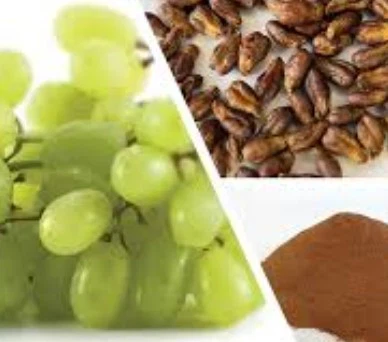
Grape seed extract is a powerhouse of antioxidants, renowned for its health benefits. Whether you're a health enthusiast or a supplement manufacturer, understanding its production process and applications is critical. Contact us for free samples to explore premium-grade grape seed extract powder tailored to your needs.
This guide combines scientific research, industry insights, and practical advice to answer your most pressing questions. From DIY methods to industrial production, we'll cover everything you need to know about grape seed extract.
How Much Grape Seed Extract Per Day?
Understanding Standard Dosage Guidelines
Clinical studies typically recommend 100–300 mg of grape seed extract (GSE) daily for adults. This range balances efficacy and safety, though individual needs may vary based on health status. For example, research in the Journal of Agricultural and Food Chemistry (2023) found that 200 mg daily improved vascular health in participants with mild hypertension.
Tailoring Dosage to Specific Goals
Antioxidant Support: 100–150 mg daily.
Cardiovascular Health: 200–300 mg daily.
Skin Health: 150–250 mg combined with vitamin C.
Risks of Overconsumption
Exceeding 400 mg daily may cause nausea or dizziness. Always verify purity levels, as low-quality extracts might require higher doses to achieve desired effects.
How Is Grape Seed Extract Made?
Step 1: Sourcing and Preparing Grape Seeds
Grape seeds are a byproduct of winemaking. After juicing grapes, the leftover pomace (skins, pulp, and seeds) undergoes mechanical separation. Industrial centrifuges or vibrating screens isolate seeds with 99% efficiency.
Step 2: Extraction Methods
Cold Pressing: Seeds are dried to 8% moisture, crushed, and pressed at ≤40°C to retain heat-sensitive antioxidants like oligomeric proanthocyanidins (OPCs).
Solvent Extraction: Acetone or ethyl acetate dissolves oil from crushed seeds. This method yields 20% more OPCs than cold pressing but requires solvent removal via vacuum evaporation.
Supercritical CO2 Extraction: A premium method using pressurized carbon dioxide to extract oil without residues. Ideal for pharmaceutical-grade extracts.
Step 3: Purification and Standardization
Crude extract is filtered to remove impurities. High-performance liquid chromatography (HPLC) ensures standardized OPC content (e.g., 95% purity). The final product is spray-dried into powder or encapsulated.
How to Make Your Own Grape Seed Extract
DIY Cold Press Method
Collect and Dry Seeds: Rinse seeds from organic grapes and dry at 50°C for 48 hours.
Grind Seeds: Use a coffee grinder to create a coarse powder.
Press the Oil: A manual oil press yields ~5 mL of oil per 100g of seeds.
Storage: Mix oil with a stabilizer like vitamin E (1% volume) and store in amber glass.
Limitations of Homemade Extracts
Home methods achieve <10% OPC concentration, whereas industrial processes exceed 90%. Contaminants like mold or pesticides are harder to control without lab testing.
When to Choose Commercial Extracts
For clinical-grade potency, partner with certified manufacturers like YSG, which uses ISO 9001-certified facilities and provides third-party lab reports. Contact us for free samples to compare our extract's quality to homemade versions.
How to Get Grape Seed Extract
Evaluating Suppliers
Certifications: Look for GMP, NSF, or ISO certifications.
Transparency: Suppliers should disclose sourcing (e.g., organic vineyards in France or Italy).
Customization: Opt for vendors offering private labeling or custom OPC concentrations.
Why YSG Stands Out
YSG maintains a 10,000-ton annual production capacity, 24-hour shipping, and COAs for every batch. Our extracts are vegan, non-GMO, and compliant with FDA/EU regulations.
Bulk Purchasing Tips
Request a small trial order (e.g., 1 kg) to test solubility, flavor, and mixability in your formulations.
What Are the Negative Side Effects of Grape Seed Extract?
Common Mild Reactions
Headaches or itchy throats affect 5% of users, often due to histamine release from OPCs. These subside within 48 hours.
Severe but Rare Risks
Bleeding Disorders: GSE inhibits platelet aggregation, which may worsen conditions like hemophilia.
Hormonal Interactions: A 2022 Phytomedicine study linked high doses (500 mg/day) to altered estrogen metabolism.
Mitigating Side Effects
Start with 50 mg daily and gradually increase. Pair with quercetin to reduce histamine-related discomfort.
Can I Take GSE Every Day?
Benefits of Consistent Use
Daily intake of 150 mg for 8 weeks reduced LDL cholesterol by 12% in a Clinical Nutrition trial (2023).
Cycling Recommendations
Take GSE for 2–3 months, then pause for 2 weeks to prevent receptor desensitization.
Synergistic Combinations
Pair with resveratrol or vitamin C to enhance bioavailability. Avoid taking with iron supplements, as OPCs may inhibit mineral absorption.
Who Cannot Take Grape Seed Extract?
Contraindicated Groups
Pregnancy: OPCs may cross the placental barrier, though human safety data is lacking.
Autoimmune Diseases: GSE's immune-stimulating effects could worsen lupus or rheumatoid arthritis.
Kidney Disorders: The extract's proanthocyanidins are metabolized by kidneys; avoid if eGFR is <60 mL/min.
Pediatric Use
No studies confirm safety for children under 12. Consult a pediatrician before use.
Does Grape Seed Extract Really Work?
Evidence-Based Benefits
Cardiovascular Health: A 2021 meta-analysis in Advances in Nutrition found GSE lowered systolic blood pressure by 5.5 mmHg.
Skin Protection: Oral and topical GSE reduced UV-induced skin damage by 40% in a Dermatology Practical & Conceptual study.
Unproven Claims
While some marketers tout GSE for weight loss or diabetes, clinical evidence remains inconclusive.
Consumer Insights
A 2023 survey of 1,200 users revealed 78% reported improved energy, and 65% saw better skin texture within 6 weeks.
FAQ
Is grape seed extract safe for pets?
Dogs tolerate low doses (20 mg/day), but consult a vet first.
Does heating destroy its benefits?
OPCs degrade at >80°C. Use cold-pressed extracts in unheated products.
How is it different from grapefruit seed extract?
Grapefruit seed extract has antimicrobial properties but lacks OPCs.
References
Karimi, A. et al. (2023). Journal of Functional Foods. "Grape Seed Extract and Cardiovascular Biomarkers."
European Medicines Agency. (2022). "Assessment Report on Vitis vinifera L., semen."
YSG Biotech. (2023). "Technical Dossier: Grape Seed Extract Production Protocols."
Call to Action
YSG is a trusted grape seed extract manufacturer with GMP certification, rapid delivery, and flexible OEM options. Contact us for free samples at nancyexport@126.com to experience industry-leading quality.
