



As a global manufacturer of premium artichoke extract supplements, we understand the growing interest in natural solutions for liver health. Research increasingly supports artichoke extract's role in promoting liver function, particularly for conditions like non-alcoholic fatty liver disease (NAFLD). Below, we address critical questions about its benefits, safety, and applications, backed by clinical evidence. Contact us at nancyexport@126.com for free samples to experience its quality firsthand.
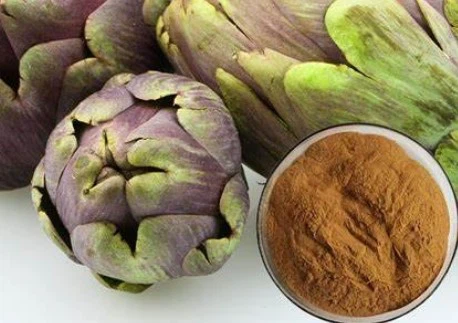
Does artichoke extract really help your liver?
Clinical evidence supports liver benefits.
A 2018 double-blind trial involving 100 NAFLD patients found 600 mg/day of artichoke leaf extract (ALE) significantly reduced ALT and AST levels-key markers of liver damage-and improved ultrasound-measured liver health38. Meta-analyses of seven randomized trials confirmed ALE's ability to lower these enzymes, especially in studies lasting ≤8 weeks2.
Antioxidants combat oxidative stress.
Artichokes contain chlorogenic acid and luteolin, which neutralize free radicals linked to liver inflammation15. A 2021 animal study showed ALE reduced oxidative damage and prevented liver cell death in NAFLD models7.
Bile stimulation enhances detoxification.
ALE increases bile production by up to 127% after a single dose, aiding fat digestion and toxin removal5. This mechanism may explain its lipid-lowering effects, critical for managing NAFLD6.
Who should not take artichoke extract?
Bile duct obstruction or gallstones.
Artichoke's bile-stimulating effects can worsen blockages, leading to complications4. Consult a healthcare provider before use if diagnosed with these conditions.
Allergy to Asteraceae plants.
Individuals sensitive to ragweed, daisies, or marigolds may experience allergic reactions, including gastrointestinal discomfort46.
Pregnancy or breastfeeding.
Limited safety data exist for these groups. Stick to dietary amounts of whole artichokes unless approved by a physician4.
What extract is good for the liver?
Milk thistle (silymarin).
A well-studied hepatoprotective herb, milk thistle reduces liver inflammation and supports regeneration5.
Turmeric (curcumin).
Curcumin's anti-inflammatory properties help mitigate alcohol-induced liver damage, though evidence for NAFLD remains limited.
Dandelion root.
Promotes bile flow and detoxification, similar to artichoke, but human trials are sparse.
ALE combines bile stimulation, antioxidant action, and lipid regulation, making it a multifaceted option for liver support.
Does artichoke extract increase bile?
Stimulates bile synthesis.
Cynarin and chlorogenic acid in ALE enhance bile secretion by 60–127% within hours of consumption, aiding fat metabolism5.
Supports detoxification pathways.
Bile transports toxins like cholesterol and environmental pollutants out of the liver, reducing metabolic burden58.
Improves digestive health.
Enhanced bile flow alleviates symptoms of indigestion, including bloating and constipation4.
Which is better for liver: milk thistle or artichoke?
Mechanisms differ but complement.
Milk thistle's silymarin directly repairs liver cells, while ALE focuses on bile production and lipid metabolism58.
Synergistic potential.
Combining both may offer broader protection, though clinical trials comparing efficacy are lacking.
Dose-dependent results.
ALE's benefits are dose-sensitive, with 500–2,700 mg/day showing optimal enzyme reduction26.
Can artichokes help you lose weight?
Reduces visceral fat.
An 8-week trial found ALE decreased waist circumference and BMI in obese patients, likely due to improved lipid metabolism8.
Prebiotic fiber aids satiety.
Artichokes are rich in inulin, which promotes gut health and reduces calorie absorption18.
Lowers triglycerides.
ALE supplementation reduced triglycerides by 19% in NAFLD patients, indirectly supporting weight management3.
Is artichoke good for the brain?
Antioxidants may protect neural cells.
Chlorogenic acid crosses the blood-brain barrier, potentially reducing oxidative stress linked to cognitive decline7.
Indirect benefits via liver health.
A healthy liver improves toxin clearance, which may enhance neurological function5.
Limited direct evidence.
Current research focuses on liver and metabolic effects, leaving brain-specific studies underrepresented.
Why Choose YSG's Artichoke Extract?
GMP-certified production ensures purity and potency.
Third-party tested for heavy metals, microbes, and active compounds.
Custom formulations (capsules, powders) with fast global shipping.
Interested in premium ALE? Contact us at nancyexport@126.com for free samples and bulk pricing.
References
Panahi et al. (2018). Efficacy of artichoke leaf extract in NAFLD. Phytotherapy Research.
Rondanelli et al. (2020). Artichoke supplementation and liver enzymes. International Journal of Food Sciences and Nutrition.
Rangboo et al. (2016). ALE effects on ALT/AST in NASH. International Journal of Hepatology.
WebMD. (2023). Artichoke: Uses, side effects, and interactions.
Life Extension. (1999). Artichoke's hepatoprotective mechanisms.
Sahebkar et al. (2018). Lipid-lowering effects of artichoke. Critical Reviews in Food Science and Nutrition.
Ready to enhance your liver health portfolio? Reach out at nancyexport@126.com for samples and expert formulation support.
