



Introduction:
Astaxanthin is a reddish pigment that belongs to the xanthophyll family.
This potent antioxidant is found in certain marine life like algae, salmon, and shellfish.
While you may not have heard of it, astaxanthin is making waves for its potential health benefits.
From boosting skin health to reducing inflammation, this nutrient is garnering lots of buzz.
But what does the science say?
In this comprehensive guide, we'll dive deep into the research to explore the pros and cons of astaxanthin to determine if it's truly good for you.
Key Takeaways:
Astaxanthin is a powerful antioxidant found in algae and seafood
It may benefit the skin, eyes, brain, heart and more through its anti-inflammatory and antioxidant effects
Potential downsides include digestive issues and drug interactions
Overall, research suggests astaxanthin is a promising nutrient when consumed in moderation
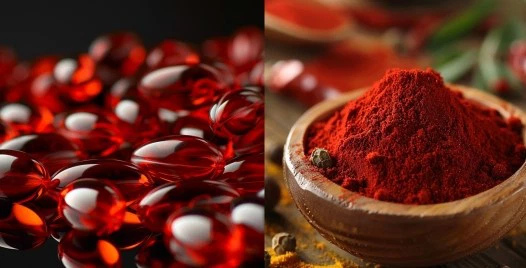
What is Astaxanthin?
Astaxanthin could be a reddish-pink color that has a place to the xanthophyll family of carotenoids. It's basically sourced from microalgae like Haematococcus pluvialis, as well as fish such as salmon, trout, shrimp, and krill. What sets astaxanthin separated is its interesting structure that permits it to be a more effective antioxidant than other carotenoids. Its atoms can effortlessly span the cell film and neutralize free radicals at the film level. This ensures cells from oxidative harm caused by natural stressors like contamination, UV radiation, and irritation.
Potential Astaxanthin Benefits
Skin Health
With its antioxidant prowess, astaxanthin shows promise for promoting healthy, youthful skin. Research suggests it can protect skin cells from UV radiation damage that leads to wrinkles and age spots.
It may also increase skin moisture levels, elasticity and smoothness by preventing oxidative stress that degrades collagen.
Some studies even found it can reduce facial freckles and age spots from sun exposure.
Eye Health
The eyes are highly susceptible to oxidative stress from blue light, UV rays and environmental pollutants.
Astaxanthin's ability to cross the blood-retina barrier allows it to accumulate in the eyes and protect them. Multiple studies link its use to improved visual acuity, reduced eye strain/fatigue, and a lower risk of age-related macular degeneration.
Brain Function
Like the eyes, astaxanthin can cross the blood-brain barrier to protect brain cells. It fights oxidative stress and inflammation that contribute to cognitive decline and neurodegenerative diseases.
Animal research shows it can improve memory, learning and psychomotor skills. Human trials suggest it may enhance focus, information processing speed and neuroprotective effects.

Heart Health
Astaxanthin targets several risk factors for heart disease with its anti-inflammatory and antioxidant abilities. Studies demonstrate it can lower oxidized LDL (bad) cholesterol levels while raising HDL (good) cholesterol. It prevents oxidation of LDL that leads to plaque buildup in arteries.
Research also indicates it improves blood flow, reduces blood pressure and prevents atherosclerosis.
Anti-Inflammatory Effects
By inhibiting inflammatory pathways and cytokine production, astaxanthin exhibits powerful anti-inflammatory properties. This makes it useful for managing chronic inflammatory conditions like rheumatoid arthritis, Crohn's disease and metabolic syndrome. It can also reduce exercise-induced muscle damage, joint pain and oxidative stress in athletes.
Boosts Immune System
Astaxanthin strengthens immune defenses by enhancing immune cell function and antibody production. Its antioxidant activity combats oxidative stress that can impair immunity. Research shows it increases levels of immunoglobulins and improves gut mucosal immunity.
Potential Downsides and Precautions
While generally regarded as safe, astaxanthin may cause some mild side effects like:
Digestive issues like diarrhea, constipation or bloating at high doses
Potential interactions with certain medications like blood thinners
Limited long-term safety data, especially for pregnant/breastfeeding women
Moderation is key, as excessive amounts of any nutrient can be counterproductive.

How to Get Astaxanthin
Astaxanthin is not produced by the human body, so we must obtain it from dietary sources:
Food Sources:
Seafood: wild salmon, rainbow trout, red sea bream, shrimp, krill oil
Supplements: produced from microalgae like Haematococcus pluvialis
For supplements, the typical dosage range is:
4-12 mg per day for general health
Up to 24 mg per day for specific conditions like exercise recovery
When selecting an astaxanthin supplement, look for:
Sustainably sourced from non-GMO algae strains
High astaxanthin content and bioavailability
Third-party testing to verify potency and purity
Stacking Astaxanthin
To potentially heighten its effects, astaxanthin can be "stacked" or combined with:
Other Antioxidants:
Vitamin C increases astaxanthin absorption
Green tea catechins provide synergistic benefits
Anti-Inflammatory Herbs/Spices:
Turmeric/curcumin
Ginger root
Boswellia serrata
Lifestyle Factors:
Exercise enhances antioxidant uptake
Anti-inflammatory diet reduces oxidative stress
FAQs About Astaxanthin
Is astaxanthin better than other antioxidants?
Astaxanthin's unique molecular structure allows it to span cell membranes more effectively.
However, using a variety of antioxidants provides complementary benefits.
What's the ideal astaxanthin dosage?
Most research uses 4-12 mg per day for general health promotion.
Higher doses up to 24 mg may be needed for specific conditions.
Are there synthetic vs natural sources?
Both forms exist, but natural astaxanthin from microalgae like Haematococcus pluvialis is preferred.
Who shouldn't take astaxanthin supplements?
Speak to your doctor before use if pregnant, breastfeeding, or taking medications like blood thinners.
How does astaxanthin compare to similar nutrients?
Astaxanthin has greater antioxidant and anti-inflammatory potency than nutrients like beta-carotene, vitamin E and coenzyme Q10.
The Final Verdict on Astaxanthin
The research on astaxanthin is compelling – this powerful antioxidant shows a wide range of potential benefits:
Protecting skin from UV damage and signs of aging
Supporting eye, brain and heart health
Reducing inflammation and boosting immunity
Improving exercise recovery and performance
While more long-term human studies are still needed, the current evidence suggests astaxanthin is a promising supplement when used responsibly.
Moderation is wise, as extremely high doses may cause digestive upset or medication interactions.
But for most people, incorporating a reasonable 4-12 mg astaxanthin supplement appears to be a safe, smart way to leverage its anti-aging and health-promoting effects.
YSG is a professional pomegranate extract manufacturer and supplier. It has a GMP factory, large inventory, complete certificates, supports OEM, fast delivery, tight packaging, and supports testing. If you are choosing your own pomegranate extract, welcome to contact us. Contact us at medical@ysgcn.com;
References:
https://www.webmd.com/vitamins/ai/ingredientmono-1063/astaxanthin
https://examine.com/supplements/astaxanthin/
