



What is Astaxanthin?
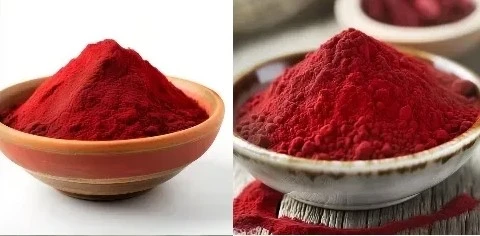
Astaxanthin is a natural pigment and powerful antioxidant belonging to the keto-carotenoid family. It is produced by certain microalgae, like Haematococcus pluvialis, and gives the reddish hue to seafood like salmon and shrimp.
Astaxanthin has potent antioxidant effects that help protect cells from oxidative stress and damage. Some potential health benefits include anti-inflammatory effects, anti-aging properties, and promoting heart, brain, and eye health.
Top Natural Sources of Astaxanthin
The top natural source of astaxanthin is the microalgae Haematococcus pluvialis. Wild salmon is one of the best animal sources, as the astaxanthin gives it the characteristic pinkish-red color.
Other seafood that contains astaxanthin includes:
|
Food Source |
Astaxanthin Content |
|
Haematococcus pluvialis algae |
1.5-2.5% |
|
Wild salmon |
1-2 mg per 3 oz serving |
|
Shrimp |
0.5-1.5 mg per 3 oz serving |
|
Trout |
0.5-1.5 mg per 3 oz serving |
|
Crab |
0.5-1.5 mg per 3 oz serving |
|
Lobster |
0.5-1.5 mg per 3 oz serving |
The astaxanthin content varies between these species. Wild-caught seafood tends to have higher levels than farmed.
Plant-Based Foods Containing Astaxanthin
Some red-pigmented fruits and vegetables contain small amounts of astaxanthin. Examples include:
Red bell peppers
Paprika
Goji berries
However, the astaxanthin content in these plant foods is much lower compared to animal and algae sources.
How to Increase Astaxanthin Intake
To boost your astaxanthin intake, focus on eating astaxanthin-rich foods regularly, such as:
Wild-caught salmon 2-3 times per week
Shrimp, crab, lobster on occasion
Red bell peppers, paprika, goji berries
Astaxanthin supplements, derived from Haematococcus pluvialis algae, are also available. Typical doses range from 2-12 mg per day. High doses may cause side effects like orange skin discoloration.
Benefits of Astaxanthin for Skin Health
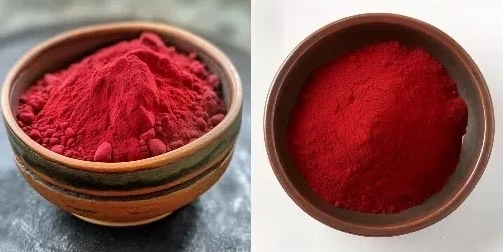
Astaxanthin helps protect the skin from UV radiation and photodamage. Its antioxidant effects combat free radicals that contribute to skin aging and wrinkles.
Some studies suggest astaxanthin improves skin moisture, elasticity, and texture. It may also help reduce age spots and support wound healing.
Astaxanthin and Eye Health
The eyes are prone to oxidative stress, which astaxanthin helps defend against. It may help prevent or slow age-related eye conditions like macular degeneration and cataracts.
Astaxanthin shows promise for alleviating eye fatigue and dryness, common issues in our screen-heavy world. More human research is needed to confirm these eye health benefits.
Potential Effects on Exercise and Muscle Recovery
Astaxanthin may enhance exercise performance and recovery by several mechanisms:
Reducing exercise-induced muscle damage and soreness
Improving endurance and fatigue resistance
Facilitating fat burning during exercise
While these effects are promising, more robust clinical trials in humans are still required.

Other Potential Benefits
Astaxanthin powder's antioxidant and anti-inflammatory properties may offer various other health benefits:
Brain health:
May improve cognitive function and memory
Potential neuroprotective effects against Alzheimer's and Parkinson's
Heart health:
May improve cholesterol and triglyceride levels
Helps maintain healthy blood pressure and vascular function
Anti-cancer effects:
Exhibits anti-tumor and anti-cancer activities in preclinical studies
May help prevent or slow cancer growth and metastasis
However, more human studies are necessary to validate these potential therapeutic applications.
FAQs:
What is the recommended daily intake?
There is no official recommended daily intake for astaxanthin. Doses of 2-12 mg per day are commonly used in supplements.
Can you get too much from foods?
It is unlikely to consume excessive astaxanthin from food sources alone. Very high doses from supplements may cause side effects.
Is it better from foods or supplements?
Obtaining nutrients from whole foods is generally preferable. However, astaxanthin supplements can help boost intake if needed.
What foods are the best sources?
The best food sources of astaxanthin are wild-caught salmon, shrimp, trout, crab, and lobster. Microalgae like Haematococcus pluvialis are the most concentrated sources.
How does it compare to other antioxidants?
Astaxanthin is one of the most potent antioxidants, stronger than many others like beta-carotene and vitamin E. Its unique molecular structure allows it to protect cell membranes effectively.
Are there any medication interactions?
Astaxanthin may interact with blood pressure, diabetes, and hormone medications. Consult your healthcare provider before using supplements, especially if you have a medical condition or take medications.
Key Takeaways
Astaxanthin is a potent antioxidant pigment found in certain marine plants and animals.
Top sources include microalgae (Haematococcus pluvialis), wild salmon, shrimp, trout, crab, and lobster.
Smaller amounts are present in red-hued fruits and vegetables like red bell peppers, paprika, and goji berries.
Astaxanthin provides numerous potential health benefits for skin, eyes, exercise performance, brain, heart, and more.
You can increase intake through regular consumption of astaxanthin-rich foods or supplements.
Consult your healthcare provider before using high-dose supplements, especially if you have a medical condition or take medications.
References:
Ambati, R. R., Phang, S. M., Ravi, S., & Aswathanarayana, R. G. (2014). Astaxanthin: sources, extraction, stability, biological activities and its commercial applications--a review. Marine drugs, 12(1), 128-152.
Davinelli, S., Nielsen, M. E., & Scapagnini, G. (2018). Astaxanthin in skin health, repair, and disease: A comprehensive review. Nutrients, 10(4), 522.
Fakhri, S., Abbaszadeh, F., Dargahi, L., & Jorjani, M. (2018). Astaxanthin: A mechanistic review on its biological activities and health benefits. Pharmacological research, 136, 1-20.
Guerin, M., Huntley, M. E., & Olaizola, M. (2003). Haematococcus astaxanthin: applications for human health and nutrition. Trends in biotechnology, 21(5), 210-216.
Yuan, J. P., Peng, J., Yin, K., & Wang, J. H. (2011). Potential health-promoting effects of astaxanthin: a high-value carotenoid mostly from microalgae. Molecular nutrition & food research, 55(1), 150-165.
