



Yes. Astaxanthin has been successful in several independent studies in lowering blood sugar levels, as well as significantly lowering cholesterol. It can help the body process sugar and fats instead of storing them as body fat.
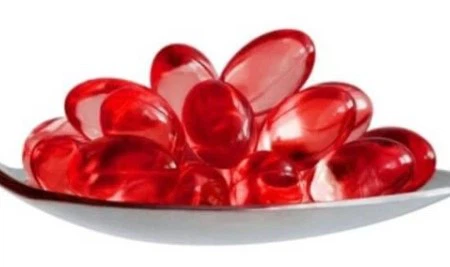
What is Astaxanthin?
Definition and Background
Astaxanthin bulk powder is a powerful antioxidant belonging to the carotenoid family, known for its vibrant red pigment.
It is found in various marine organisms, including microalgae, yeast, salmon, trout, krill, shrimp, and crayfish.
Its strong antioxidant properties have made it a popular supplement for promoting health and wellness.
Sources of Astaxanthin (Natural vs. Synthetic)
Natural sources include microalgae (Haematococcus pluvialis), seafood (such as salmon and shrimp), and some birds.
Synthetic astaxanthin is manufactured through chemical synthesis and is often used in aquaculture and as a supplement.
How Does Astaxanthin Work in the Body?
Antioxidant Properties
Astaxanthin is one of the most potent antioxidants known, capable of neutralizing free radicals and reducing oxidative stress.
It protects cells from damage, supports immune function, and promotes overall health.
Mechanism of Action
Astaxanthin works by integrating into cell membranes, protecting them from oxidative damage.
Its unique molecular structure allows it to span the cell membrane and provide comprehensive protection.
Astaxanthin and Weight Loss: Is There a Connection?
Overview of Current Research
Recent studies have explored the potential of astaxanthin in weight management and fat loss.
While research is still emerging, preliminary findings are promising.
Studies and Findings on Weight Loss
Animal studies have shown that astaxanthin supplementation can reduce body fat and improve metabolic health.
Human studies are limited but suggest potential benefits in fat oxidation and appetite regulation.
Mechanisms Behind Astaxanthin's Potential Weight Loss Benefits
Impact on Metabolism
Astaxanthin may enhance metabolic function by improving mitochondrial activity, leading to increased energy expenditure.
Role in Fat Oxidation
Studies indicate that astaxanthin can promote fat oxidation, helping the body utilize fat for energy rather than storing it.
Effects on Appetite and Satiety
Astaxanthin may influence hormones related to hunger and satiety, potentially reducing overall calorie intake.

Scientific Evidence: Clinical Trials and Studies
Summarizing Key Studies
A 2011 study found that astaxanthin supplementation improved fat metabolism and exercise endurance in humans.
Animal studies have consistently shown reductions in body fat and improvements in lipid profiles with astaxanthin supplementation.
Interpretation of Results
While the evidence is promising, more rigorous clinical trials in humans are needed to confirm astaxanthin's effectiveness for weight loss.
Astaxanthin in Combination with Other Weight Loss Strategies
Diet and Exercise
Combining astaxanthin with a healthy diet and regular exercise may enhance weight loss results.
Synergy with Other Supplements
Astaxanthin may work synergistically with other supplements, such as omega-3 fatty acids and green tea extract, to support weight loss.
Safety and Side Effects
Common Side Effects
Astaxanthin is generally well-tolerated, with few reported side effects.
Some individuals may experience mild gastrointestinal discomfort.
Long-term Safety Considerations
Long-term studies are limited, but current evidence suggests that astaxanthin is safe for most people when used appropriately.

How to Use Astaxanthin for Weight Loss
Recommended Dosages
The optimal dosage of astaxanthin for weight loss is not well-established, but typical dosages range from 4 to 12 mg per day.
Forms of Supplementation
Astaxanthin is available in various forms, including capsules, powders, and liquids.
Potential Risks and Precautions
Who Should Avoid Astaxanthin?
Individuals with allergies to seafood or synthetic astaxanthin should avoid these supplements.
Interactions with Medications
Astaxanthin may interact with certain medications, such as blood thinners and immunosuppressants.
Consult with a healthcare provider before starting supplementation.
Real-life Testimonials and Case Studies
Success Stories
Many users report positive experiences with astaxanthin, noting improvements in energy levels, metabolism, and overall health.
Personal Experiences
Case studies highlight individuals who have successfully incorporated astaxanthin into their weight loss regimen with encouraging results.
Expert Opinions
Insights from Nutritionists and Dietitians
Experts suggest that astaxanthin can be a beneficial addition to a balanced diet and exercise plan for weight management.

Comparison with Other Weight Loss Supplements
Astaxanthin is often compared to other popular supplements like green tea extract and conjugated linoleic acid (CLA), with many finding it equally or more effective.
FAQs
Can Astaxanthin Help You Lose Weight?
Current evidence suggests that astaxanthin can support weight loss, primarily through its antioxidant effects and influence on metabolism.
How Long Does It Take to See Results?
Results may vary, but some users report noticeable changes within 4 to 6 weeks of consistent use.
What is the Best Way to Take Astaxanthin for Weight Loss?
Capsules and powders are convenient and effective forms of astaxanthin supplementation.
Are There Any Food Sources of Astaxanthin?
Natural sources include salmon, trout, krill, shrimp, and some types of algae.
Is Astaxanthin Safe for Everyone?
Astaxanthin is generally safe, but individuals with specific health conditions or those taking certain medications should consult their doctor.
Key Takeaways
Summary of Benefits
Astaxanthin offers antioxidant benefits, supports metabolic health, and may aid in natural weight loss.
Final Thoughts on Using Astaxanthin for Weight Loss
While more research is needed, astaxanthin shows promise as a supportive supplement for weight management.
Contact us for free samples to explore the benefits of astaxanthin for weight loss.
For high-quality astaxanthin powder, reach out to YSG, a professional manufacturer and supplier.
Contact us at medical@ysgcn.com.
References
Fassett RG, Coombes JS. Astaxanthin: A Potential Therapeutic Agent in Cardiovascular Disease. Mar Drugs. 2011;9(3):447-465.
Nishida Y, Yamashita E, Miki W. Selective Distribution of Astaxanthin to the Membranes of the Retina in Mice. J Nutr Biochem. 2007;18(5):365-372.
Park JS, Chyun JH, Kim YK, Line LL, Chew BP. Astaxanthin Decreased Oxidative Stress and Inflammation and Enhanced Immune Response in Humans. Nutr Metab (Lond). 2010;7:18.
