+8615809286636

YSG: Your Premier Standardized Extract Supplier


Professional Production
We are a leading manufacturer of plant extracts with GMP standards for more than 16 years, covering an area of 26,000 square meters, with 4 GMP-compliant production lines and 36 chromatography separation columns, producing more than 500 products.


Qualification Approval
Our products have passed US FDA registration, Kosher certification, Halal certification, ISO9001 certification, HACCP certification, and obtained SC production license, health food business license, and export food production enterprise registration.


Quality Assurance
Our laboratory is equipped with advanced analytical instruments such as HPLC, TLC, UV, AAS, etc. Following HACCP and GMP management principles, through real-time supervision and control, our experienced QA and QC can ensure that we always provide customers with quality products and services.


One-stop Service
We have established long-term cooperative relationships with third-party laboratories (NSF, SGS, Eurofins, etc.) to provide one-stop and OEM, ODM services to customers in the food, beverage, personal care and pharmaceutical industries.


First 1234567 Last 1/30
 

Standard extract are herbal, plant, animal, and other extracts with consistent standards. It is a concept derived from modern herbal medicine. It is a management practice to ensure the quality of the production of herbal medicines and extracts. Often the term is given more specifically. For example, one or more components in the extract have consistent content, etc. The American Herbal Products Association (AHPA) recently expanded the meaning of this term. Emphasize that standardization must involve the participation of information agencies and regulatory agencies to produce or products with reasonable consistency. This goal can be achieved through the implementation of good quality management practices (GAP and GMP) in the cultivation and processing of herbal medicines to minimize the inherent differences in the composition of natural products. YSG's standardized extract are strictly implemented in accordance with relevant regulations and rules. Only to provide you with better products and services!


What is Standardized Extract?


Standardized herbal extracts are concentrated forms of herbs that are manufactured using a specific, standardized method to ensure consistent potency and quality. This method involves the extraction of specific active compounds from the herb, followed by purification and concentration to produce a product with a standardized concentration of the active ingredient. The result is a consistent, highly potent product that is widely used in the dietary supplement, nutraceutical, and pharmaceutical industries.


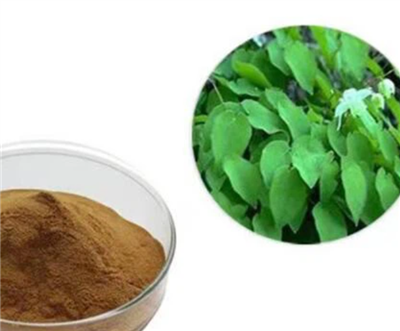
Rhodiola Rosea Standardized Extract


What’s the Difference Between Whole Herb and Standardized Extracts?

There is not necessarily any difference between whole herb and standardized extracts. Any extract, including a whole herb or broad spectrum extract, can have constituents quantified and thus be standardized. Some standardized extracts, however, use processes and/or solvents to isolate phytochemicals. In the more extreme cases, these extracts can become so highly concentrated in a single phytochemical or phytochemical group that they exclude the many other constituents that make up the whole herb. Carried too far, these extracts begin to resemble single entity drug isolates rather than broad spectrum herbal extracts.


Process of Standardization & Quality Control


For achieving standardized quality of a herb, the process of standardization and quality control test involves various parameters e.g. correct identification, botanical authentication, (right from the source of collection), ethno-botanical identification, macroscopic appearance of the drug, its odour, taste, foreign matter contamination, microbial load and residual toxic matter. Further it also requires drying, powdering, extraction process, in process quality control, preparation of formulations, standardization of the finished product, stability studies, packing and labeling.


The therapeutic activity of herb is determined by the chemical composition of these various components often referred to as the “Chemical Markers”. These markers are used as a reference to compare the quality of the product for standardizing the test material (extract) using HPTLC & HPLC. The standardized herbal extraction process ensures maximum possible extraction of the active constituent & removal of the inactive substances, such as water and cellulose. This helps to ensure the conformity of quality and therapeutic efficacy of each product without seasonal or batch-to-batch variations. There is no change in the chemical composition of the herb.


YSG Standardized Extract
 

We are a company dedicated to the research, development and production of professional and characteristic plant extracts. We use plants as natural raw materials and adopt advanced technology for extraction processes to provide high-quality natural products for health food, health products, cosmetics, pharmaceuticals, feed and other industries. Let me introduce you to several hot-selling standardized extract products!


Benefits of Olive Leaf Extract
 
01/

Improves Heart Health
Researchers believe olive leaf extract can have positive effects on atherosclerosis, or narrowing of the arteries, which is the highest risk factor for heart disease. High levels of LDL, or “bad” cholesterol, and total cholesterol are risk factors for developing this disease.

02/

Treats Herpes
To treat herpes with olive leaf extract, drop 1 to 2 droplets on a cotton ball and place on the sore. One study found that olive leaf extract’s antiviral and antimicrobial factors reduce the ability of the herpes virus to invade surrounding cells.

03/

Protects the Brain Against Alzheimer’s and Parkinson’s
Oleuropein is also shown to have a protection against Alzheimer’s disease. The antioxidant effects of olive leaf extract may also help with preventing damage or loss of dopamine neurons that’s associated with Parkinson’s disease as well.

04/

Lowers Blood Pressure
Olive leaf extract may help lower systolic and diastolic blood pressure. A 2017 study found that olive leaf extract successfully lowered blood pressure. A lower blood pressure can reduce your risk of stroke and heart attack.

05/

Treats Type 2 Diabetes
A review of olive leaf extract and type 2 diabetes found that olive leaf oil extract can help improve insulin secretion in cells. Animal studies have shown that olive leaf extract may reduce hyperglycemia, reduce hyperinsulinemia (too much insulin in the blood), plasma malondialdehyde, and other signs of oxidative stress.

06/

Supports Weight Management
Along with heart-healthy benefits and type 2 diabetes protection, it makes sense that olive leaf extract could also help with weight loss. An animal study from 2014 researched the effect of olive leaf extract in preventing high-fat, diet-induced obesity. It’s thought that olive leaf extract prevents obesity by regulating the expression of genes that affect weight gain.


How to Use Olive Leaf Extract

Olive leaf extract often comes in supplement form, either as a tincture, tea, or powder. You can use it in various ways, including:

Drink as a Tea

If consumed in tea form, Glenn recommends using fresh leaves instead of dry (if possible) for added health benefits. You can brew hot or iced tea from the extract.

Add to Food

The powder form can be added to anything from smoothies to pancakes. Try integrating it into your breakfast oatmeal, your favorite creamy tomato soup, or a dessert fruit smoothie.

Take a Capsule

Olive oil extract can be purchased in capsule form. Follow directions on the package when taking, and as always, speak to a health care provider before adding supplements or medication to your regimen.


Side Effects And Safety of Olive Leaf Extract Powder

People who are on a strong dosage of olive leaf extract capsules or tinctures may experience stomach irritation. This can be offset by diluting the tincture with water or fruit juice. Similarly capsules should be taken after food to avoid gastrointestinal irritation though this may reduce its potentiality. In some case, olive leaf extract supplements may affect people with an overgrowth of parasitic Candida albicans leading to diarrhea. People suffering from low blood pressure may suffer from added dizziness by taking olive leaf extract supplements. Hence precautions should be taken in the form of appropriate dosage to prevent any health hazard. Women who are pregnant or nursing should avoid olive leaf extracts.

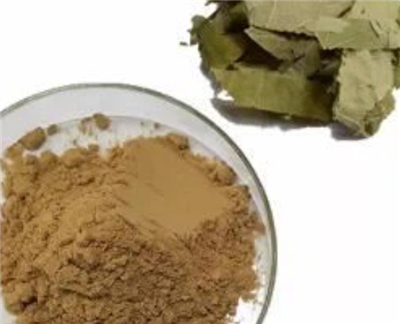
Olivus Olive Leaf Extract


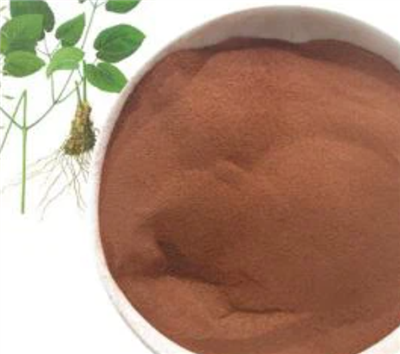
Health Benefits of Tomato Extract Lycopene


1

Reduced Cancer Risk
While more research is needed, studies have found a connection between lycopene intake and cancer prevention - particularly for bone, lung, and prostate cancers. Experimental studies have shown that lycopene slows or stops the growth of cancer cells.

 
2

Heart Health
A recent study found evidence that lycopene reduced bad cholesterol (LDL) while increasing good cholesterol (HDL) levels. This balance is important because high cholesterol develops fatty deposits in our blood vessels, which can clot and lead to a heart attack or stroke. In addition, lycopene can help to maintain good blood pressure, further reducing the risk of heart disease.

 
3

Skin Health
Long-term lycopene consumption is also linked with skin cancer prevention. Several studies show that people who included tomato paste in their diet daily experienced up to 40% less ultraviolet (UV) skin damage from sunlight than those who did not.

 
4

Improved Fertility in Men
A recent study found that consuming 14 milligrams a day of lycopene can improve fertility in healthy young men by about 40 percent.

 
5

Pain Relief
Lycopene has been shown to reduce pain to a degree similar to that of ibuprofen medication. Several studies have looked at its effects on nerve pain - which is traditionally very difficult to treat. The results in animals are promising, showing significant levels of decreased pain and hypersensitivity from lycopene intake.


Tomato Extract Lycopene


Top Food Sources of Tomato Extract Lycopene

All natural foods with a rich pink to red color generally contain some lycopene.

Tomatoes are the biggest food source, and the riper the tomato, the more lycopene it contains. But you can find this nutrient in an array of other foods as well.

Here’s a list of foods containing the most lycopene per 100 grams:
● Sun-dried tomatoes: 45.9 mg
Tomato purée: 21.8 mg
● Guava: 5.2 mg
● Watermelon: 4.5 mg
● Fresh tomatoes: 3.0 mg
● Canned tomatoes: 2.7 mg
Papaya: 1.8 mg
● Pink grapefruit: 1.1 mg
● Cooked sweet red peppers: 0.5 mg


Special Precautions and Warnings of Lycopene


When Taken by Mouth

Lycopene is commonly consumed in certain fruits and vegetables. When taken in supplements, doses of 15-45 mg daily have been safely used for up to 6 months.


Pregnancy and Breast-Feeding

Lycopene is likely safe during pregnancy and breast-feeding when eaten in typical food amounts. There isn't enough reliable information to know if lycopene supplements are safe to use when pregnant or breast-feeding. Stay on the safe side and stick to food amounts.


Surgery

Lycopene might slow blood clotting. It might increase the risk of bleeding during and after surgery. Stop using lycopene supplements at least 2 weeks before a scheduled surgery.


Medicinal Uses of Gotu Kola Extract Powder


Venous Insufficiency and Varicose Veins
When blood vessels lose their elasticity, blood pools in the legs and fluid leaks out of the blood vessels. That causes the legs to swell (venous insufficiency). Several small studies suggest gotu kola may help reduce swelling and improve blood flow. In another study of people with varicose veins, ultrasound tests showed that people who took gotu kola had less leakage of fluid.


Wound Healing and Skin Lesions
Gotu kola has chemicals called triterpenoids. In animal and lab studies, these compounds seem to help heal wounds. For example, some studies suggest that triterpenoids strengthen the skin, boost antioxidants in wounds, and increase blood supply to the area. Based on these findings, gotu kola has been applied to the skin, or used topically, for minor burns, psoriasis, preventing scars after surgery, and preventing or reducing stretch marks.


Anxiety
These same chemicals, triterpenoids, seem to reduce anxiety and increase mental function in mice. One human study found that people who took gotu kola were less likely to be startled by a new noise than those who took placebo. Since the "startle noise" response can be a way to tell if someone is anxious, researchers think that gotu kola might help reduce anxiety symptoms.


Scleroderma
A single study of 13 women with scleroderma found that gotu kola decreased joint pain and skin hardening, and improved finger movement.


Insomnia
Gotu kola acts as a sedative when given to animals in tests. Because of that, it is sometimes suggested to help people with insomnia. But no human studies have been done to see whether it works or whether it is safe.


Who May Want to Take Gotu Kola Extract Powder?

You may be interested in using gotu kola if you’re looking to improve skin texture and health (cream or lotion), or minimize inflammation and swelling surrounding varicose insufficiency, reduce anxiety, or recover from a stroke. But don’t take it without a healthcare provider’s signoff if you have liver trouble, a history of skin cancer, diabetes, or are prepping for surgery.

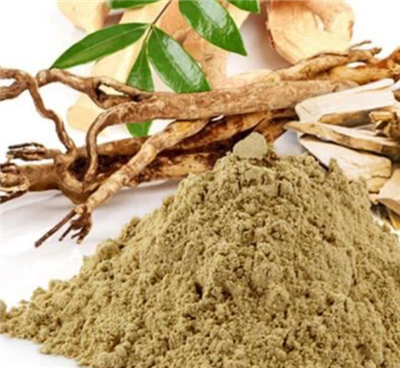
Gotu Kola Extract Powder


Special Precautions of Gotu Kola Extract Powder


1
productcate-1-1

When Taken by Mouth

Gotu kola extract is possibly safe for most people when taken for up to 12 months. It might cause nausea and stomach pain.

2
productcate-1-1

When Applied to The Skin

Gotu kola is possibly safe when used for up to 10 weeks. It might cause itchiness and redness. Pregnancy: Gotu kola is possibly safe when applied to the skin during pregnancy. There isn't enough reliable information to know if gotu kola is safe to take by mouth when pregnant. Stay on the safe side and avoid use.

3
productcate-1-1

Breast-Feeding

There isn't enough reliable information to know if gotu kola is safe to use when breast-feeding. Stay on the safe side and avoid use.

4
productcate-1-1

Liver Disease

Gotu kola might cause liver damage. People who already have a liver disease should avoid using gotu kola. It might make liver problems worse.


Storage Instructions of Gotu Kola Extract Powder


Our extract powders are sold in vacuum packs to ensure maximum freshness and quality. However, there is a possibility that the extract powder may solidify if it comes in contact with air or moisture. This is a natural characteristic of extract powders and is not indicative of any loss of potency or quality. To prevent the extract powder from solidifying, we recommend storing it in an airtight container in a cool, dry place, away from direct sunlight and moisture. If the extract powder has solidified, simply grind it back into a powder using a mortar and pestle or a coffee grinder. This will not affect the potency or quality of the extract powder in any way.


Our certificate
 

All the ingredients are natural and approved BY ISO, KOSHER, HALAL, SC, HACCP approved, and FDA registered.


productcate-1835-289


Common Problems of Standardized Extract


Q: Is a standardized extract better?

A: There is not necessarily any difference between whole herb and standardized extracts. Any extract, including a whole herb or broad spectrum extract, can have constituents quantified and thus be standardized. Some standardized extracts, however, use processes and/or solvents to isolate phytochemicals.

Q: What is an example of a standardized extract?

A: Extracts that have been standardized by the FDA include the northern pasture grasses (Timothy, June, Meadow Fescue, Orchard, Redtop, Perennial Rye, Sweet Vernal) and Bermuda, a southern grass. In addition to these grasses, the FDA has also standardized Dust Mite, Cat, Short Ragweed and Hymenoptera Venom.

Q: What does standardized mean in supplements?

A: "Standardized" means that manufacturers ensure every batch of their products is produced in a consistent way, with the same ingredients and same concentration of ingredients.

Q: What are the advantages of standardized extract?

A: One of the main benefits of standardized herbal extracts is their potency. Standardization concentrates the active ingredients, making them much more potent than the raw herb. This can result in improved efficacy and faster results compared to products made from raw herbs.

Q: Which is better tincture or extract?

A: The result is a liquid extract that is up to 5 to 10 times more concentrated than a tincture, which means you get the benefit of a much higher potency herbal product. There are many reasons why people may not want to use herbs with a high alcohol content, such as disliking the taste or alcohol sensitivity.

Q: What is a non-standardized extract?

A: A “bulk” extract or Non-Standardized extract is simply a specific amount of an herb, extracted and then infused back onto that same herb in a smaller amount, depending on the “x” concentration desired.

Q: What is the difference between extract and standardized?

A: A standardized herbal extract is an herb extract that has one or more components present in a specific, guaranteed amount, usually expressed as a percentage. The intention behind the standardization of herbs is to guarantee that the consumer is getting a product in which the chemistry is consistent from batch to batch.

Q: Is a tincture and an extract the same?

A: Tinctures are concentrated herbal extracts with an alcohol base. The difference between a tincture and an extract is that tinctures are always made with alcohol as the solvent. If you are using water, vinegar, glycerine, or any menstruum (solvent) other than alcohol, your preparation is an extract, not a tincture.

Q: What does standardized mean for herbs?

A: Standardization guarantees the content of one or more active constituents and marker compounds. The plant environment and genetic factors could significantly affect the biochemical components of the plant extract, in which plants are still the most abundant and cost-effective resource for drug innovation.

Q: Are herbal extracts healthy?

A: Some herbal extracts may help boost immunity without having side effects and are more effective in providing symptomatic relief, especially while fighting allergies. One of the significant benefits of herbal extract is its affordability.

Q: Do herbal extracts work?

A: Liquid herbal extracts are well-absorbed and begin working very quickly. But the key word here is begin. Noticeable effects or results can vary greatly. Some herbs that affect the nervous system can produce noticeable effects in a short period of time.

Q: What is the difference between a concentrated herb and standardized extract?

A: In simple terms, a concentrated herb contains the entire herb or an extract of the herb with all original chemicals intact. A standarized extract is a refinement of the concentrated herbal extract.

Q: Do herbal extracts need to be refrigerated?

A: Alcohol-based tinctures have an unlimited shelf life and do not require refrigeration if stored in a cool, dark location. Tinctures that are vegetable glycerine-based do not need to be refrigerated and can last from 3-5 years. Vinegar-based tinctures are recommended to be refrigerated, and can last up to a year.

Q: Are extracts better than oils?

A: While their benefits may not be as concentrated as essential oils, extracts can be used in higher quantities and tend to be gentler on the skin, while still providing the benefits of the plants from which they are derived.

Q: What is standardization of herbal extract?

A: The standardized herbal extraction process ensures maximum possible extraction of the active constituent & removal of the inactive substances, such as water and cellulose. This helps to ensure the conformity of quality and therapeutic efficacy of each product without seasonal or batch-to-batch variations.

Q: How much alcohol is in herbal extracts?

A: The amount of alcohol in a liquid herbal extract can vary from 20% to 90% depending on the herb. No matter where an herb falls in that range, it's actually a very small amount you ingest per serving. For example, our liquid Echinacea extract is about 50% alcohol by volume.

Q: How long does herbal extract last?

A: We recommend using alcohol-based herbal tinctures within two years. However, some alcohol tinctures and liniments have a shelf life of 3-5 years, particularly those made with a high percentage of alcohol.

Q: What are the three types of extracts?

A: The three most common types of extractions are: liquid/liquid, liquid/solid, and acid/base (also known as a chemically active extraction). The coffee and tea examples are both of the liquid/solid type in which a compound (caffeine) is isolated from a solid mixture by using a liquid extraction solvent (water).

Q: Is peppermint flavor the same as extract?

A: Peppermint oil and peppermint extract are two very different ingredients. Peppermint oil is the pure essential oil derived from peppermint leaves. Peppermint extract is a mixture of peppermint essential oils and alcohol. Peppermint oil is quite strong, so you need to dilute it for most uses.

Q: What extracts are used the most?

A: One of the most common Extracts used in the US is Vanilla Extract. While there are over a hundred different types of Vanilla, the two most prevalent types of vanilla extract in the US are from Madagascar (Bourbon—the region, not the drink) and Tahiti.

Q: Are extracts better with or without alcohol?

A: For the herbs where glycerin is an effective extractive medium, the advantage is an alcohol-free extract. Alcohol-free glycerites are particularly suited to kids and to adults with alcohol sensitivity, including recovering alcoholics.


As one of the most professional standardized extract suppliers and manufacturers in China, we're featured by high quality medical consumables made in China with low price. If you're going to wholesale or buy discount standardized extract in stock, welcome to get quotation and free sample from our factory.

Natural Horse Chestnut Extract Powder,