



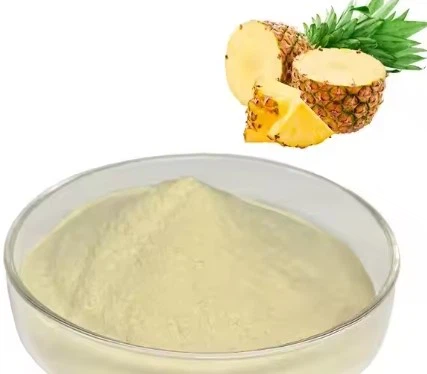
Bromelain, an enzyme derived from pineapples, is gaining popularity as a natural remedy for inflammation, digestion, and even sinus issues. But how quickly can you expect results after starting bromelain? The timeline for bromelain's effects depends on the purpose of use. For acute issues, such as reducing swelling after an injury or improving digestion, bromelain may start working within 1-2 hours. For chronic conditions like arthritis or sinusitis, consistent use over several days to weeks is often necessary.
If you're looking for reliable bromelain powder for supplements, contact us at medical@ysgcn.com for free samples. We offer high-quality products with fast delivery and complete certifications.
How Much Bromelain Should I Take?
Determining the correct dosage of bromelain depends on its intended use. The general recommendation for bromelain intake ranges between 200-2000 mg per day, divided into multiple doses. Here's how dosages are typically broken down:
1. Dosage for Digestive Support
200-500 mg with meals is ideal for aiding protein digestion.
For those with digestive sensitivities, starting with a lower dose is recommended.
2. Dosage for Anti-inflammatory Benefits
500-1000 mg per day, divided into 2-3 doses, is common for inflammation relief.
Taken on an empty stomach, bromelain maximizes absorption for anti-inflammatory effects.
3. Dosage for Post-Surgical Recovery
Post-operative care may involve higher doses, often reaching 2000 mg daily, to minimize swelling and pain.
As with any supplement, consult a healthcare professional to ensure proper dosage based on your specific needs and health conditions.
Bromelain Dosage for Inflammation
Bromelain's ability to combat inflammation stems from its proteolytic properties, which break down proteins that trigger swelling and pain. Research highlights its effectiveness in managing inflammation caused by injuries, arthritis, and even sinus infections.
1. Clinical Evidence for Dosage
Studies suggest that 500 mg taken twice daily is sufficient for reducing pain and swelling in osteoarthritis patients.
For acute injuries, doses up to 1000 mg daily have shown significant results within 48-72 hours.
2. Combination with Other Anti-inflammatories
Bromelain is often paired with turmeric or quercetin to enhance anti-inflammatory effects. However, combining supplements should always be done under medical supervision to prevent adverse interactions.

Bromelain Side Effects
While bromelain is generally safe, it can cause side effects in some individuals. Understanding these risks can help you use the supplement responsibly.
1. Common Side Effects
Nausea or mild gastrointestinal discomfort may occur, especially at higher doses.
Diarrhea has been reported in rare cases.
2. Serious Risks
Increased risk of bleeding for individuals on anticoagulant medications.
Allergic reactions, particularly in people sensitive to pineapples or latex, can range from mild itching to severe anaphylaxis.
3. How to Minimize Risks
Always start with a lower dose to test tolerance.
Avoid combining bromelain with blood-thinning drugs like aspirin unless approved by a healthcare provider.
How Long Does It Take for Bromelain to Reduce Inflammation?
For inflammation, the timeline for bromelain's effects depends on the severity of the condition and consistency of use.
1. Acute Inflammation
24-48 hours: Swelling from injuries or surgeries often reduces significantly within this period when using 500-1000 mg daily.
For sports-related injuries, bromelain can alleviate pain and swelling faster than traditional NSAIDs.
2. Chronic Inflammation
2-4 weeks: Conditions like arthritis or chronic sinusitis typically require sustained use to observe improvements. Bromelain's effects accumulate over time, reducing the frequency and intensity of flare-ups.

When Should I Take Bromelain, Morning or Night?
The timing of bromelain supplementation can influence its effectiveness based on its intended use.
1. For Digestive Support
Take bromelain with meals to enhance digestion. It works by breaking down dietary proteins, making nutrients easier to absorb.
2. For Anti-inflammatory Effects
Take bromelain on an empty stomach, ideally in the morning. Absorption is more efficient without food, allowing bromelain to reach systemic circulation and target inflammation.
3. Divided Doses
For those requiring higher daily doses, splitting them into morning and evening can maintain consistent enzyme levels in the body.
Is 500 mg of Bromelain Too Much?
1. Safe Dosage Thresholds
Clinical studies show that doses up to 2000 mg daily are generally well-tolerated.
500 mg per dose is safe for most individuals and falls within therapeutic guidelines.
2. Risk of Overdose
Taking more than 2000 mg daily may lead to side effects, including nausea and excessive bleeding. Always adhere to recommended doses unless advised by a healthcare provider.

What Are the Disadvantages of Bromelain?
While bromelain offers numerous health benefits, there are potential downsides to consider:
1. Interaction with Medications
Bromelain can interact with blood-thinning medications, increasing the risk of excessive bleeding.
Antibiotics like amoxicillin may also be affected, altering their efficacy.
2. Allergic Reactions
People allergic to pineapples or latex should avoid bromelain. Symptoms may include itching, swelling, or difficulty breathing.
3. Limited Research on Certain Uses
While bromelain shows promise for various conditions, more research is needed to confirm its effectiveness for certain ailments, such as cancer and cardiovascular disease.
FAQ
1. Can bromelain help with sinusitis?
Yes, bromelain is effective in reducing nasal swelling and improving sinus drainage. Results are often noticeable within 3-5 days of use.
2. Is bromelain safe for long-term use?
For most individuals, bromelain is safe for extended use at recommended doses. However, regular monitoring by a healthcare provider is advised.
3. How does bromelain compare to NSAIDs?
While bromelain is less potent than NSAIDs like ibuprofen, it offers fewer side effects and can be a safer option for long-term inflammation management.
References
Maurer, H. R. (2001). Bromelain: Biochemistry, Pharmacology, and Medical Use. Cellular and Molecular Life Sciences.
Fitzhugh, D. J., et al. (2008). Anti-inflammatory effects of bromelain. Phytomedicine.
National Institutes of Health (NIH), Bromelain Overview and Safety.
For premium bromelain powder tailored to your needs, contact us at medical@ysgcn.com. We provide GMP-certified products with global shipping and OEM support. Request your free sample today!
