



Yes, lutein is beneficial for eye health, particularly in protecting against age-related macular degeneration (AMD) and other age-related eye diseases. It acts as a natural light filter, shielding the eyes from harmful blue light and ultraviolet rays, and possesses antioxidant properties that help reduce inflammation and oxidative damage.
If you're seeking a reliable lutein extract powder supplier, YSG is a professional manufacturer with a GMP-certified factory, large inventory, comprehensive certifications, OEM support, fast delivery, and secure packaging. We also offer testing services. Contact us at nancyexport@126.com for free samples.
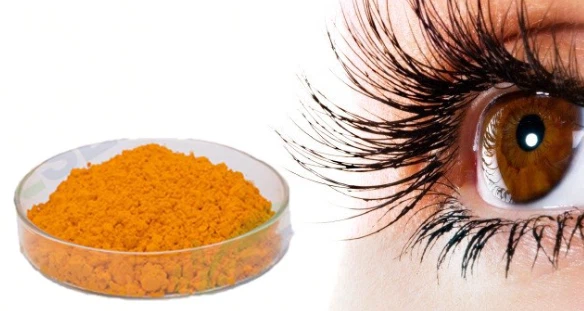
How much lutein should I take daily for my eyes?
Recommended Daily Intake
Research suggests that a daily intake of 6–20 mg of lutein is beneficial for eye health. Specifically, 10–20 mg per day may help reduce symptoms of AMD.
Dietary Sources vs. Supplements
While lutein is present in foods like spinach, kale, and egg yolks, the average adult consumes only about 1–2 mg daily through diet. Supplements can help bridge this gap to achieve optimal levels for eye protection.Optimal Absorption
Lutein is fat-soluble, so it's best absorbed when taken with meals containing healthy fats.
What are the side effects of taking lutein?
General Safety
Lutein is generally safe when taken orally, with studies supporting daily doses up to 20 mg without significant adverse effects.
Possible Side Effects
High doses may lead to carotenodermia, a harmless condition causing yellow-orange skin discoloration.
Allergic Reactions
Though rare, some individuals may experience allergic reactions, including rash, itching, or swelling.
Can lutein repair eyes?
Preventing Degeneration
Lutein helps prevent or slow the progression of AMD, a leading cause of vision loss in older adults.
Enhancing Visual Function
It may improve visual acuity and contrast sensitivity, aiding in better vision under various lighting conditions.
Supporting Retinal Health
Lutein accumulates in the macula, protecting photoreceptor cells essential for vision.
What vitamin is best for eyesight?
Lutein and Zeaxanthin
These carotenoids are crucial for eye health, filtering harmful light and acting as antioxidants.
Vitamin A
Essential for maintaining the cornea and preventing night blindness.
Vitamin C and E
Both vitamins protect eye cells from oxidative damage, reducing the risk of cataracts and AMD.
Who should not take lutein?
Pregnant and Nursing Women
While lutein is found in breast milk, it's advisable to consult a healthcare provider before supplementation during pregnancy or lactation.
Smokers
Long-term use of high-dose carotenoid supplements, including lutein, may not be recommended for smokers due to potential health risks.
Individuals with Allergies
Those allergic to lutein or its sources should avoid supplementation.
How to improve eyesight?
Balanced Diet
Consume foods rich in lutein, zeaxanthin, vitamins A, C, and E, and omega-3 fatty acids.
Regular Eye Exams
Routine check-ups can detect issues early and maintain eye health.
Protective Measures
Wear sunglasses to shield eyes from UV rays and reduce screen time to prevent eye strain.
Can you take lutein long term?
Safety Over Time
Long-term studies, including the 10-year AREDS2 trial, have shown that lutein supplementation is safe and continues to provide eye health benefits without increasing cancer risk.
Consistent Benefits
Regular intake helps maintain macular pigment density, supporting sustained visual function.
Monitoring Intake
It's essential to adhere to recommended dosages and consult healthcare providers for personalized advice.
Should I take lutein in the morning or at night?
Timing Flexibility
The time of day doesn't significantly impact lutein's effectiveness.
With Meals
Since lutein is fat-soluble, taking it with meals enhances absorption.
Consistency Matters
Regular daily intake is more crucial than the specific time of consumption.
FAQ
What is lutein?
Lutein is a carotenoid with antioxidant properties, found in various fruits and vegetables, crucial for eye health.
Can I get enough lutein from diet alone?
While lutein is present in foods like spinach and kale, supplementation may be necessary to reach optimal levels for eye protection.
Is lutein supplementation necessary?
For individuals at risk of AMD or with low dietary intake, supplements can help achieve beneficial lutein levels.
References
WebMD. "Lutein - Uses, Side Effects, And More." WebMDWebMD
RxList. "Lutein: Side Effects, Uses, Dosage, Interactions, Warnings." RxListRxList
Drugs.com. "Lutein Uses, Benefits & Dosage." Drugs.comDrugs.com
Healthline. "Health Benefits of Lutein and Top Food Sources." HealthlineHealthline
Poison Control. "Safety and Benefits of Lutein." Poison Controlpoison.org
National Institutes of Health. "Current results on the potential health benefits of lutein." PMCPMC
Ophthalmology Advisor. "A 10-Year Follow-up Affirms AREDS2 with Lutein Still Effective, Safe." Ophthalmology Advisorophthalmologyadvisor.com
University of Rochester Medical Center. "Lutein." URMCurmc.rochester.edu+1urmc.rochester.edu+1
WebMD. "Lutein and Zeaxanthin for Vision." WebMDWebMD
Health.com. "Everything You Need To Know about Lutein." Health.comhealth.com
If you're seeking a reliable lutein extract powder supplier, YSG is a professional manufacturer with a GMP-certified factory, large inventory, comprehensive certifications, OEM support, fast delivery, and secure packaging. We also offer testing services. Contact us at nancyexport@126.com for free samples.
