



(Contact us at nancyexport@126.com for free samples of premium lutein extract powder. YSG, a GMP-certified manufacturer, offers fast delivery and customized OEM solutions.)
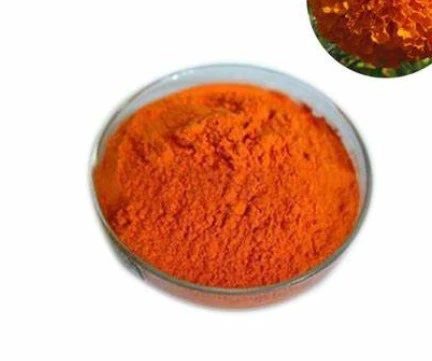
Lutein is a golden-hued carotenoid celebrated for its antioxidant properties and vital role in human health. As a key component of the macula in the retina, it acts as a natural shield against oxidative stress and blue light, offering protection against age-related eye diseases. But its benefits extend beyond vision-emerging research highlights its potential to enhance cognitive function, support heart health, and even improve skin resilience. Let's dissect its science-backed roles and address common questions to help you make informed decisions.
Does Lutein Really Help Eyes?
Macular Pigment Protection
Lutein concentrates in the macula, forming a protective layer that filters harmful blue light from screens and sunlight. Studies confirm that higher macular pigment density correlates with reduced risk of age-related macular degeneration (AMD), the leading cause of blindness in older adults14.
AMD and Cataract Prevention
The landmark AREDS2 trial found that lutein, combined with zeaxanthin, reduced advanced AMD progression by 25% in at-risk individuals17. For cataracts, observational studies link higher dietary lutein intake to slower lens clouding, though supplementation results remain inconclusive210.
Blue Light Defense
Digital screens emit high-energy blue light, which disrupts sleep and damages retinal cells. Lutein's light-filtering ability mitigates this harm, as shown in trials where supplements improved visual performance in screen users68.
What Are the Side Effects of Taking Lutein?
Generally Recognized as Safe
Lutein is classified GRAS by the FDA, with doses up to 20 mg/day deemed safe in long-term studies27. Minor side effects like skin yellowing (carotenodermia) are rare and reversible upon dosage reduction5.
Potential Drug Interactions
High-dose lutein may interact with blood thinners (e.g., warfarin) or cholesterol medications. Consult a healthcare provider if using these therapies49.
Uncommon Gastrointestinal Issues
Less than 1% of users report mild stomach discomfort, often resolved by taking supplements with meals210.
Is Lutein Better Than Vitamin A?
Distinct Roles in Eye Health
Vitamin A supports night vision via rhodopsin production, while lutein protects daytime vision by shielding the macula. They're complementary-neither replaces the other47.
Safety Profile Comparison
Excessive vitamin A can cause toxicity (hypervitaminosis A), whereas no upper limit for lutein has been established. This makes lutein a safer choice for long-term supplementation510.
Synergistic Benefits
Combining lutein with vitamin A enhances overall eye health. For example, egg yolks provide both nutrients in a bioavailable form16.
Is It Okay to Take Lutein Every Day?
Optimal Daily Intake
Most studies use 10–20 mg/day for eye health, achievable through diet or supplements. Spinach (12 mg/cup) and kale (6 mg/cup) are rich sources, but modern diets often fall short17.
Long-Term Safety
A 3-year trial found no adverse effects with 20 mg/day lutein7. However, smokers should avoid beta-carotene blends due to lung cancer risks12.
Absorption Tips
Pair lutein-rich foods or supplements with healthy fats (e.g., avocado, olive oil) to boost bioavailability by up to 50%610.
Who Should Not Take Lutein?
Allergy-Prone Individuals
Rare cases of marigold (common lutein source) allergies warrant caution. Symptoms include itching or swelling9.
Pregnant or Breastfeeding Women
While dietary lutein is safe, high-dose supplements lack sufficient safety data for this group24.
Patients Undergoing Surgery
Discontinue lutein 2 weeks pre-surgery to avoid potential bleeding risks9.
Top Food Sources of Lutein
|
Food |
Lutein Content (per 100g) |
|
Kale |
48–115 mg |
|
Spinach |
79–121 mg |
|
Egg Yolk |
1.1–1.5 mg |
|
Broccoli |
1.4–2.1 mg |
|
Orange Pepper |
7.7–14 mg |
|
(Data sourced from USDA and clinical trials17) |
References
Age-Related Eye Disease Study 2 (AREDS2) Research Group. (2013). Lutein + zeaxanthin and omega-3 fatty acids for age-related macular degeneration. JAMA Ophthalmology.
WebMD. (2024). Lutein - Uses, Side Effects, and More.
Baswan et al. (2020). Skin photoprotection with oral lutein. British Journal of Dermatology.
University of Rochester Medical Center. (2025). Lutein: Medically Valid Uses.
Healthline. (2024). Lutein and Zeaxanthin: Benefits and Dosage.
ScienceBased Health. (2025). Lutein's Role in Skin and Eye Protection.
PMC. (2016). Clinical trial on lutein for skin lightening. Clinical, Cosmetic, and Investigational Dermatology.
Cooper Complete. (2025). Lutein's UV protection benefits.
Cleveland Clinic. (2024). Lutein's impact on LDL cholesterol.
PMC. (2018). The effect of lutein on extra-eye health. Nutrients.
(Interested in premium lutein extract? Contact YSG at nancyexport@126.com for free samples and bulk pricing. Our GMP-certified facility ensures purity, potency, and fast global delivery.)
