



Yes, beetroot contains anthocyanins, which are vacuolar pigments that are water-soluble and can appear red, purple, blue, or black depending on their pH. Beetroot commonly contains a group of pigments called betalains.
What are Beets?
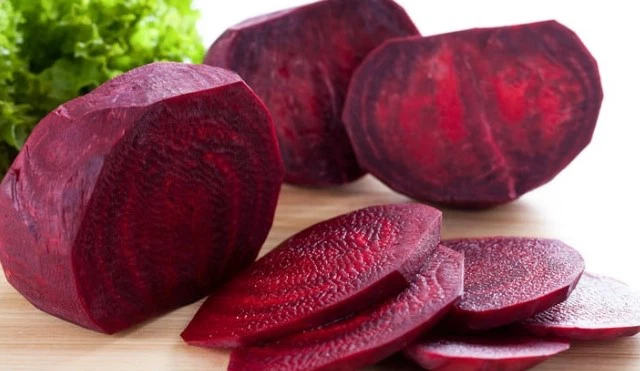
Beets, otherwise called beetroot, are pull vegetables prestigious for their energetic red tone and various medical advantages. They are a popular choice for health-conscious individuals because they are members of the Chenopodiaceae family and contain numerous nutrients. Beets are well-known for their earthy flavor and adaptability in the kitchen, and they can be consumed raw, cooked, or juiced.
What are Anthocyanins?
The pigments known as anthocyanins are water-soluble phytochemicals that are members of the flavonoid family. The red, purple, and blue colors of many fruits and vegetables are caused by these compounds. Anthocyanins have been linked to numerous health benefits, including reduced inflammation, improved cardiovascular health, and enhanced cognitive function. Anthocyanins are well-known for their antioxidant properties.
Nutritional Profile of Beets
Vitamins and Minerals in Beets
Beets are loaded with vital vitamins and minerals that benefit the body as a whole. Folate is necessary for DNA synthesis and repair, and manganese is involved in bone formation and nutrient metabolism. They are an excellent source of potassium, iron, vitamin C, and folate. Iron is necessary for the blood's transport of oxygen, and potassium helps regulate blood pressure. Vitamin C is a potent antioxidant that improves skin health and immune function.
Anthocyanins in Beets
Beets contain a one of a kind arrangement of phytochemicals known as betalains, which incorporate betacyanins and betaxanthins. Betacyanins, the red shades in beets, are a kind of anthocyanin. These mixtures give beets their trademark tone as well as add to their cell reinforcement and mitigating properties.

Health Benefits of Anthocyanins in Beets
Antioxidant Properties
Anthocyanins are potent antioxidants that aid in the body's fight against free radicals. Free extremists are unsteady atoms that can cause oxidative pressure, prompting cell harm and different constant illnesses. You can boost your body's defenses against oxidative stress and improve your overall health by eating beets that are high in anthocyanins.
Mitigating Impacts
Ongoing irritation is a critical figure the improvement of numerous sicknesses, including coronary illness, diabetes, and malignant growth. Anthocyanins in beets have been displayed to decrease irritation by hindering the creation of favorable to provocative atoms. This anti-inflammatory effect has the potential to improve overall health and reduce the risk of chronic diseases.
Benefits for the Heart
Anthocyanins have a significant impact on heart health. They assist with further developing vein capability, lessen circulatory strain, and forestall the arrangement of blood clusters. Beets can help improve heart health by making blood vessels more flexible and lowering the risk of heart disease when consumed on a regular basis.
How to Maximize Anthocyanin Intake from Beets
Best Ways to Prepare Beets
To maximize the intake of anthocyanins from beets, it is essential to prepare them in ways that preserve their nutritional content. Eating beets raw, juicing them, or lightly steaming them are some of the best methods. These preparation techniques help retain the anthocyanins and other beneficial compounds in beets.
Cooking Methods and Their Effects on Anthocyanin Levels
Different cooking methods can affect the anthocyanin content in beets. Boiling beets can lead to a significant loss of anthocyanins as the compounds leach into the water. Steaming and roasting beets are better options as they help preserve the anthocyanin levels. To retain the maximum nutritional benefits, avoid overcooking beets and consider consuming them with the skin on.
Comparing Anthocyanins in Beets to Other Sources

Beets vs. Berries
While beets are a good source of anthocyanins, berries like blueberries, blackberries, and raspberries contain higher levels of these compounds. Berries are often touted as one of the richest sources of dietary anthocyanins, offering a variety of health benefits. However, incorporating both beets and berries into your diet can provide a diverse range of antioxidants and phytochemicals.
Other Vegetables Rich in Anthocyanins
Apart from beets, other red vegetables such as red cabbage, red onions, and purple sweet potatoes are rich in anthocyanins. These vegetables add not only vibrant colors to your meals but also a wealth of health-promoting compounds. Including a variety of these anthocyanin-rich vegetables in your diet can help you harness the full spectrum of their health benefits.
Scientific Studies on Anthocyanins in Beets
Recent Research Findings
Recent studies have explored the health benefits of anthocyanins in beets and their potential therapeutic applications. Research has shown that the consumption of beetroot juice can improve exercise performance, lower blood pressure, and enhance cognitive function. These studies highlight the significant impact of beetroot anthocyanins on various aspects of health.
Health Implications Based on Studies
The health implications of consuming beets rich in anthocyanins are substantial. Regular intake of beets can help reduce the risk of chronic diseases, improve cardiovascular health, and support cognitive function. The antioxidant and anti-inflammatory properties of anthocyanins contribute to these benefits, making beets a valuable addition to a healthy diet.
Practical Tips for Including Beets in Your Diet
Easy Recipes Featuring Beets
Incorporating beets into your diet can be simple and delicious. Here are a few easy recipes to get you started:
Beet Salad: Combine roasted beets with goat cheese, walnuts, and a balsamic vinaigrette for a nutritious and tasty salad.
Beet Smoothie: Blend raw beets with spinach, apples, and a splash of lemon juice for a refreshing and antioxidant-rich smoothie.
Beet Soup: Prepare a warm and comforting beet soup by simmering beets with onions, garlic, and vegetable broth, then blending until smooth.
Tips for Selecting and Storing Beets
When selecting beets, choose those that are firm, smooth, and free of blemishes. Smaller beets tend to be more tender and flavorful. Store beets in a cool, dry place or in the refrigerator to keep them fresh. For longer storage, you can also pickle beets or freeze them after cooking.
Potential Risks and Side Effects
Overconsumption of Beets
While beets are highly nutritious, consuming them in excessive amounts can lead to certain side effects. Beets are high in oxalates, which can contribute to kidney stone formation in susceptible individuals. It is essential to consume beets in moderation and maintain a balanced diet to avoid potential risks.
Allergies and Other Concerns
Some people may be allergic to beets or experience digestive discomfort after consuming them. Symptoms of a beet allergy can include itching, swelling, and gastrointestinal issues. If you suspect an allergy or have any adverse reactions, it is best to consult a healthcare professional.
FAQ:
Do Beets Contain Anthocyanins?
Yes, beets do contain anthocyanins, which are responsible for their vibrant color and various health benefits. These compounds contribute to the antioxidant and anti-inflammatory properties of beets.
How Much Anthocyanin is in Beets?
The anthocyanin content in beets can vary based on factors like the beet variety and how they are prepared. Generally, beets are a good source of these compounds, but the exact amount can differ.
Are Beets the Best Source of Anthocyanins?
While beets are a good source of anthocyanins, other foods like berries often contain higher levels of these compounds. Incorporating a variety of anthocyanin-rich foods into your diet can provide the most significant health benefits.
Can Cooking Beets Destroy Anthocyanins?
Cooking methods can affect the anthocyanin content in beets. Steaming and roasting may help preserve these compounds better than boiling. To retain the maximum anthocyanin levels, consider cooking methods that involve minimal heat and water.
What are the Best Ways to Eat Beets for Maximum Health Benefits?
Eating beets raw, juicing them, or lightly steaming them are some of the best ways to retain their anthocyanin content and gain health benefits. These methods help preserve the nutritional integrity of beets.
Contact us for free samples at medical@ysgcn.com. Our GMP-certified factory offers high-quality beetroot anthocyanin extracts with complete certificates and fast delivery.
References:
Clifford, T., Howatson, G., West, D. J., & Stevenson, E. J. (2015). The potential benefits of red beetroot supplementation in health and disease. Nutrients, 7(4), 2801-2822.
Petroni, K., Pilu, R., & Tonelli, C. (2014). Anthocyanins in corn: a wealth of genes for human health. Plant Science, 227, 63-69.
Kanner, J., Harel, S., & Granit, R. (2001). Betalains--a new class of dietary cationized antioxidants. Journal of Agricultural and Food Chemistry, 49(11), 5178-5185.
