

What is Pure Anthocyanin?
Pure Anthocyanin consists of a 2-phenylbenzopyran ring and various substituents on the ring. Free anthocyanins are rare and usually form anthocyanins in the form of glycosides. Has antioxidant, anti-inflammatory, vision protection, and other effects. Their stability varies greatly, some are highly unstable, and may be affected by pH, temperature, luminosity, etc.
As a natural dye, anthocyanin powder varies with pH. Usually red under acidic conditions, blue under alkaline conditions. Therefore, plant organs such as flowers, fruits, leaves, etc. can show colors such as red, blue-violet, and orange.
Clinical trials of visual function have shown. There are some health benefits to consuming 50 mg of anthocyanin extract per day. Therefore, a large amount of this component can be obtained through regular intake of blueberries, strawberries, dried beans, blue barley, cereals, red wine, etc.

Product Name | Anthocyanidin |
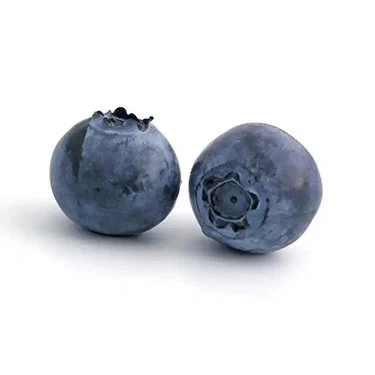
Plant source | bilberry/elderberry/mulberry/black rice/blackcurrant/blueberry |
CAS No | 13306-05-3 |
Active ingredients | Anthocyanidin |
Specification | 5% - 25% |
Molecular Weight | 287.24424 |
Appearance | Dark purple fine powder |
Mesh size | 80 Mesh |
Test Method | UV/HPLC |
Shelf life | 2 years |
What is the source of Pure Anthocyanin?
anthocyanin powder were first discovered by French scientist Masquelle in 1947. Later, it was found in grapes, blueberries, tea, and other plants. A class of compounds in which this component and sugar are glycosidic bonds are called anthocyanins, first proposed by Marguart in 1835. At present, more than 20 kinds of anthocyanins are known. Among them, geranium pigment, cornflower pigment, delphinium pigment, peony pigment, morning glory pigment, and mallow pigment are common edible anthocyanins, mainly in the form of glycosides.
How to produce Pure Anthocyanin?
1. Extracted from plants
Anthocyanins are widely found in plants such as apples, grapes, corn, blueberries, and Arabidopsis. Using organic solvent extraction is a common extraction method, and considering the safety of food, ethanol is a widely used extraction solvent. The extraction of anthocyanins from black currant using ethanol was as follows: at the optimum temperature of 30 °C, a higher total phenolic content was obtained using 60% ethanol. Its antioxidant activity can reach about 90%, and the anthocyanin content can reach about 15 mg/g.
Extract anthocyanins from fresh cherries. The optimal extraction time and temperature were determined to be 90 min and 37 °C, respectively. The highest yield of anthocyanins was obtained when the extraction was carried out with 100% acidified solvent at a liquid-solid ratio of 10:1 (mL:g). for 2. 44 mg/g (based on the mass of fresh cherries). The identification results of ultra-high performance liquid chromatography-mass spectrometry showed that there were four kinds of anthocyanins in the extract. Among them, anthocyanin-3-rutinoside and paeoniflorin-3-rutinoside accounted for more than 95%, while anthocyanin-3-glucoside and pelargonidin-3-rutinoside accounted for less than 5%.
Biosynthesis
Several plant-derived anthocyanin O-methyltransferases (AOMTs) were combined in Escherichia coli with anthocyanin synthase (PhANS) from petunia and anthocyanin 3-O-glucosyl from Arabidopsis thaliana. Transferase (At3GT) was co-expressed. Among them, AOMTs derived from wine grapes (VvAOMT1) and cyclamen (CkmAOMT2) were more effective for the production of 3′-O-methylated products of Paeonia 3-O-glucoside (P3G). The highest yields were 2. 4 and 2. 7 mg/L. After overexpression and the use of CRISPRi to silence the transcriptional repressor MetJ, the regulation of the methionine biosynthesis pathway was deregulated, and 51 mg/L of methylated paeoniflorin 3-O-glucoside was finally obtained. The yield increased to 56 mg/L after scaling up the culture, which has guiding significance for the optimization of the methylation production of anthocyanin glycosides in the future.
Dosage:
In the United States, the recommended daily intake of anthocyanins is 180 to 215 mg/d. According to the assessment of the Joint Expert Committee on Food Additives of the World Health Organization, the daily intake of anthocyanins extracted from grape skin is 2.5 mg/kg. For the first time in China, the daily intake of anthocyanins for adults is 50 mg/d, but the tolerable maximum intake has not been determined.
Where to buy anthocyanins?
anthocyanin extract are natural compounds extracted from plants. Compared with synthetic compounds, it has fewer side effects and has broad prospects for application in the food and pharmaceutical industries. We are a professional anthocyanin manufacturer, please contact us directly to buy anthocyanin through this page or medical@ysgcn.com
Hot Tags: pure anthocyanin,anthocyanin powder,anthocyanin extract,China, suppliers, manufacturers, factory, wholesale, quotation, low price, in stock, buy discount, free sample, made in China